Goatheads shouldn’t get to decide how far you ride. Whether you’re crossing town or heading out for a longer adventure, we’ll help you build a setup that keeps you rolling.
Better protection starts with understanding what’s causing the flats. We’ll help you compare the options and choose a setup that suits your bike, your riding, and the upkeep you’re comfortable with.
Start with the hole. Not another tube.
Repeated flats are a reason to look closer, not just install another tube. A puncture through the tread, an impact-related pinch flat, and damage on the rim side can call for different fixes (Schwalbe’s puncture-protection guide).
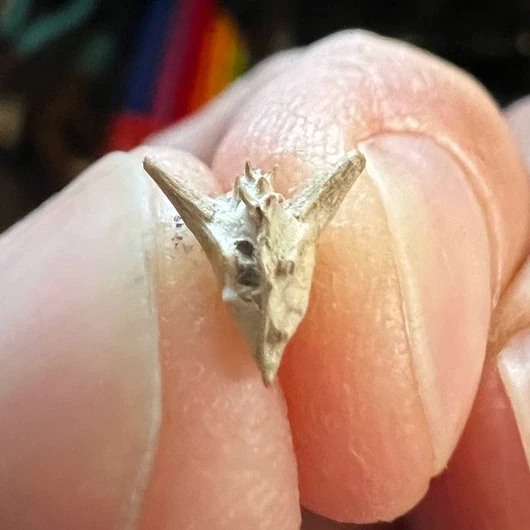
- Thorns, glass, or wire: We’ll inspect the tire and look for anything still embedded in it.
- A hard hit or a pair of small cuts: We’ll look at inflation, tire size, load, and where you were riding.
- Damage near the valve or rim: We’ll check the tape, valve fit, installation, and the rim itself.
When replacing Schrader-valve tubes, we also chamfer the rim’s valve hole, removing sharp edges or burrs left by drilling. It’s a small finishing step that helps protect the valve stem where it passes through the rim.
Bring the damaged tube if you still have it. The location of the hole can help tell the story.
Match the setup to the ride.
A daily commute and a loaded trip can call for different setups. Tell us how you ride, and we’ll work from there.
- Around town and commuting: Everyday reliability and straightforward upkeep.
- Southern Tier and paved touring: Puncture protection, loaded-bike needs, and roadside repairs.
- Trails, gravel, and Divide riding: Tread, traction, impact support, and maintenance away from home.
- Cargo bikes and e-bikes: We’ll account for the load and the work involved in wheel removal.
For trip-specific help, explore Southern Tier touring support, Great Divide and Tour Divide support, or our Bikepacking guide.
Build protection into the tire.
A tire with a protective belt adds a barrier between sharp objects and the air inside; even a heavily protected pneumatic tire isn’t completely flat-proof (Schwalbe). We’ll help you balance protection with traction, weight, and ride feel.
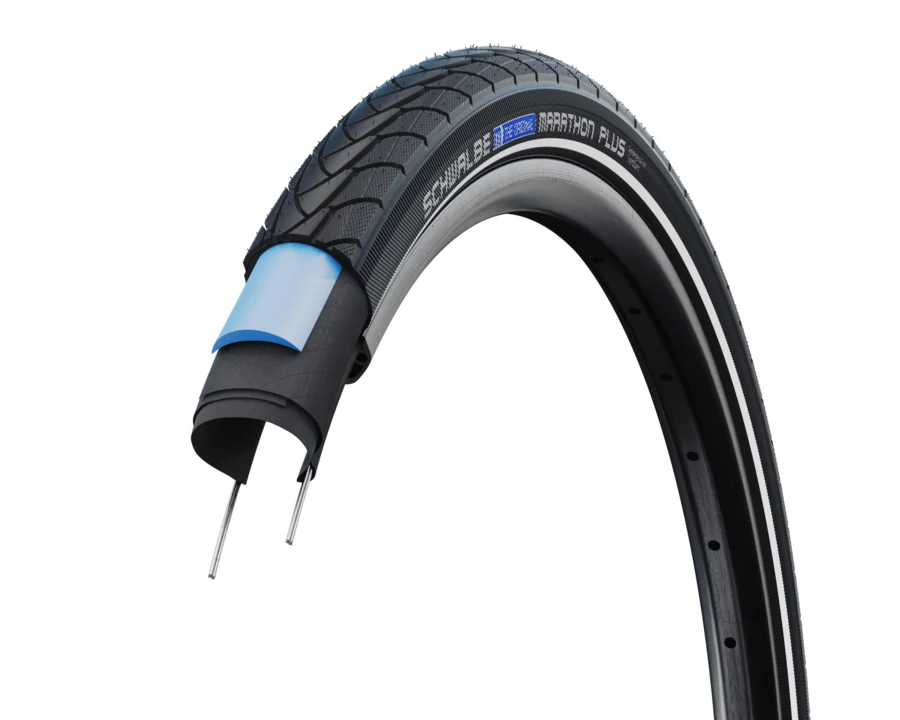
The Schwalbe Marathon Plus, with its 5 mm SmartGuard layer, is one option for commuting, utility riding, and paved touring. For gravel and trails, we’ll start with the tread and casing that suit the ride rather than put a road-touring tire on every bike.
In our online store: Browse Tires across road, gravel, mountain, and commuter sizes.
Keep the tubes. Improve the protection.
You don’t have to go tubeless to explore a different approach. We can compare tube options, sealant, and foam protection without replacing your whole wheel setup.
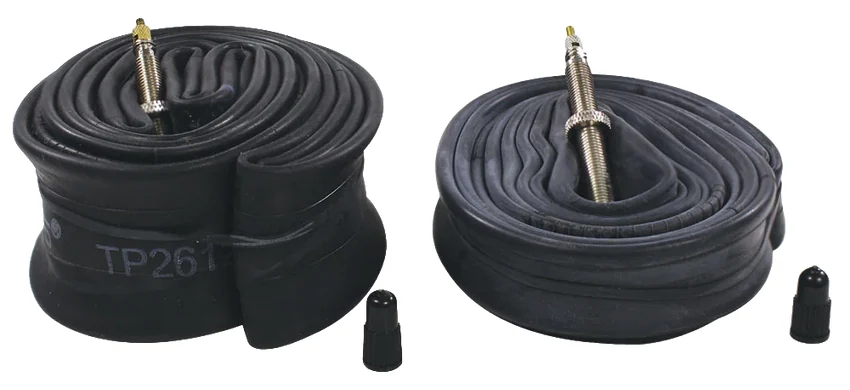
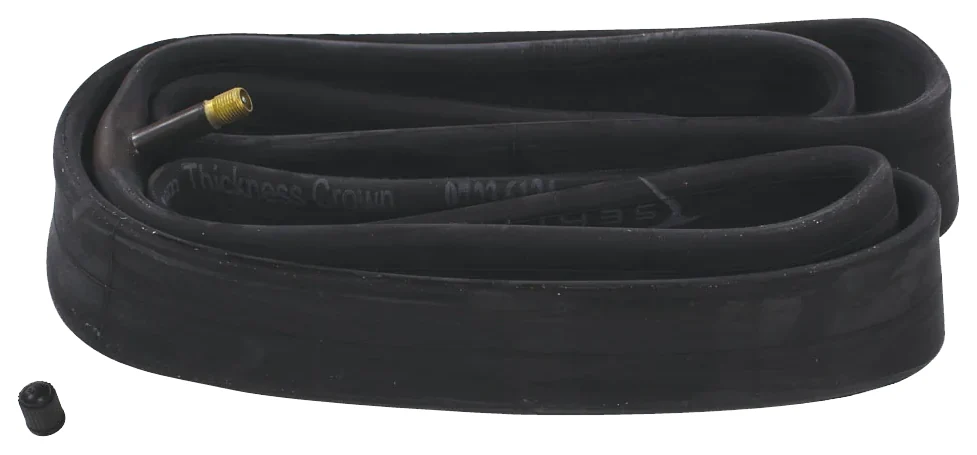
A thicker tube has more rubber to get through.
Serfas thorn-resistant tubes are listed at 3.5 mm thick, adding rubber as a physical barrier rather than relying on liquid sealant. The tradeoffs are added weight and the need for the right fit.
True Goo and other tube sealants.
True Goo uses tiny, flat sealing particles that collect and interlock at a puncture. Think of it as a platelet-like patch: small particles gathering where air is escaping to help close the hole.
It can be added to bicycle tubes to provide sealant protection without converting to tubeless. It’s one option we can discuss for a goathead-prone commute, a kid’s bike, or the bike you want ready by the door.
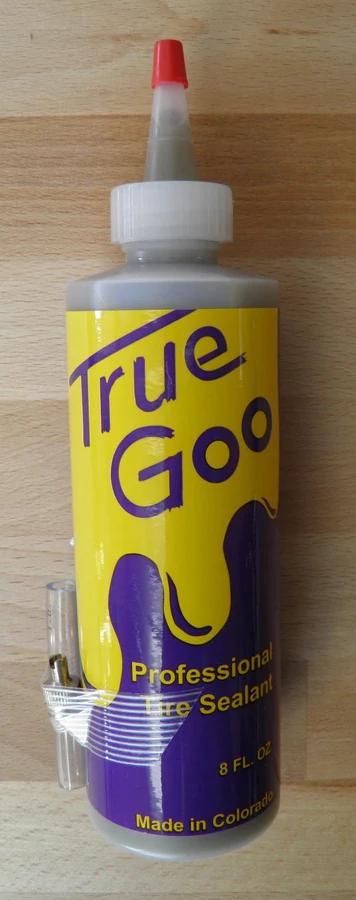
Sealants have different jobs: Slime’s tube-specific formula, for example, targets small tread-area punctures rather than sidewall tears or pinch damage. We’ll choose the product for your setup, not treat every bottle as interchangeable.
Liners add a barrier. Rim tape does a different job.
A tire liner sits between the tire and tube to help block sharp objects, while rim tape protects the tube from spoke holes and other rim-side hazards; liner fit matters because a poorly fitted liner can rub the tube (Schwalbe). We’ll help you decide whether a liner adds something useful to your existing setup.
Tannus Armour puts foam around the tube.
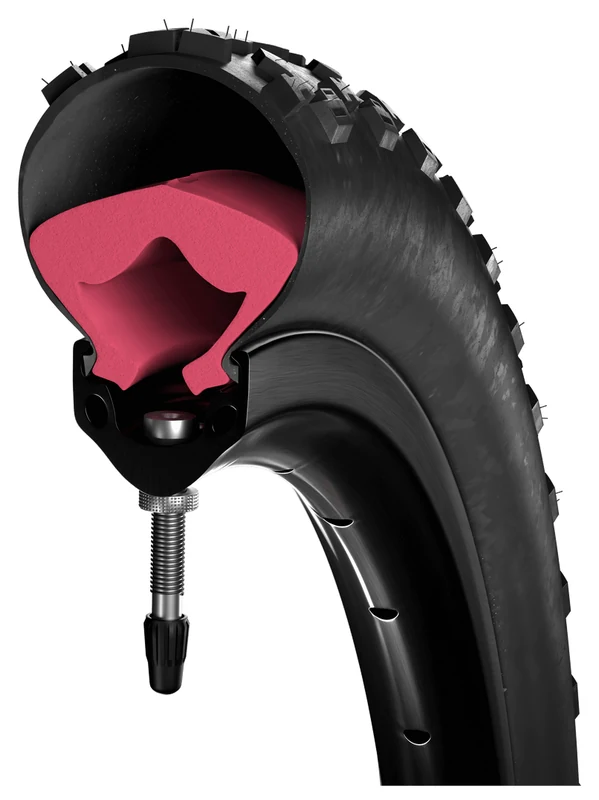
Tannus Armour adds a foam insert between the tire and a correctly sized inner tube, providing a physical layer around the tube. That extra protection comes with added material and installation work.
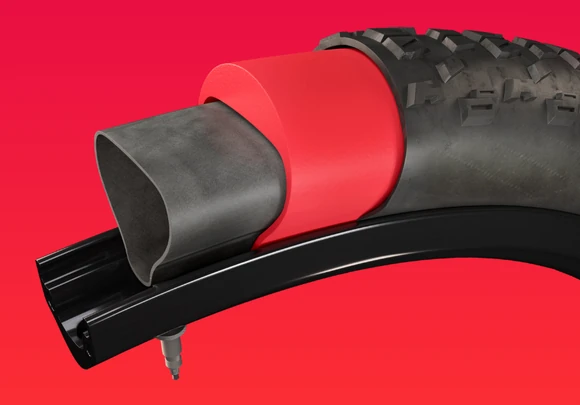
We’ll match the tire, insert, tube size, and any sealant as a complete setup. There’s no need to arrive knowing which combination you want.
In our online store: Thorn-Resistant Tubes · Standard Tubes · Tube Sealant · Tannus Armour Inserts
Tubeless. Fewer layers, a different approach.
A tubeless setup replaces the inner tube with a sealed tire-and-rim system and liquid sealant; it needs suitable tires, rims, tape, and valves working together (Stan’s tubeless guide). We’ll check your wheels before recommending a conversion.
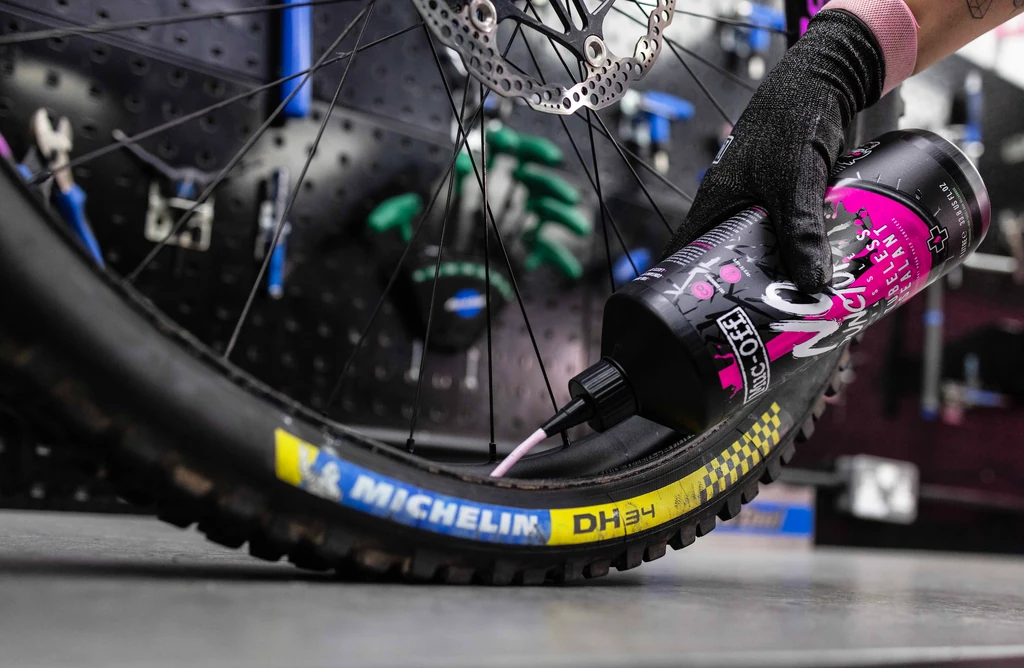
What goes into a tubeless setup?
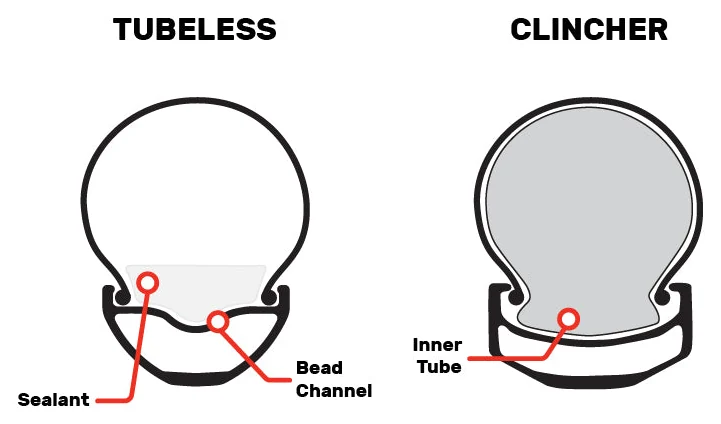
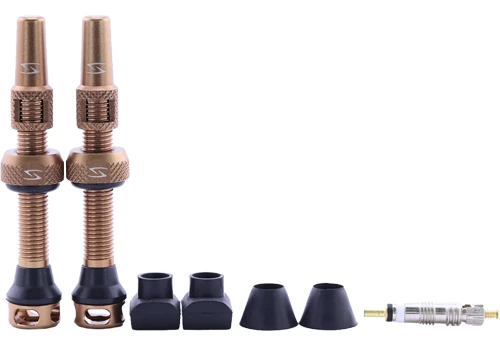
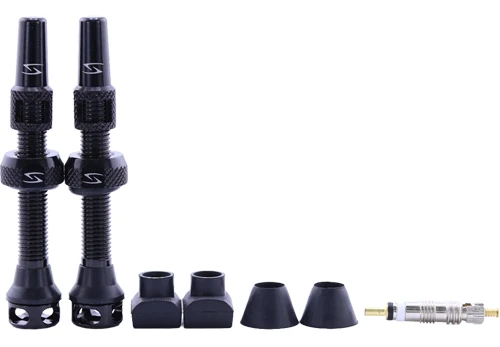
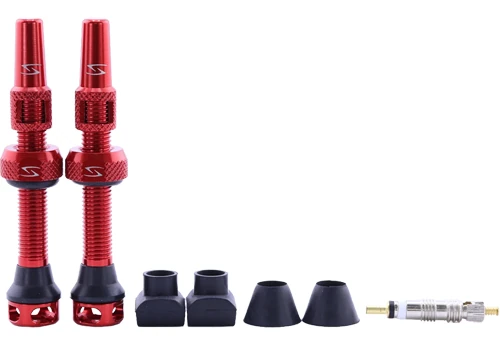
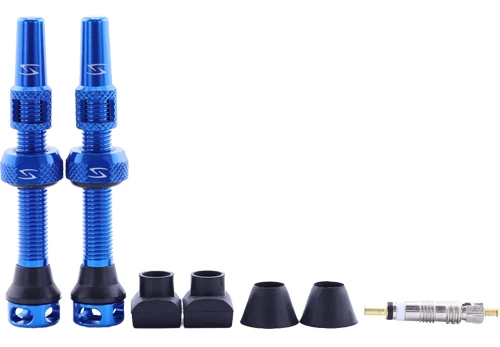
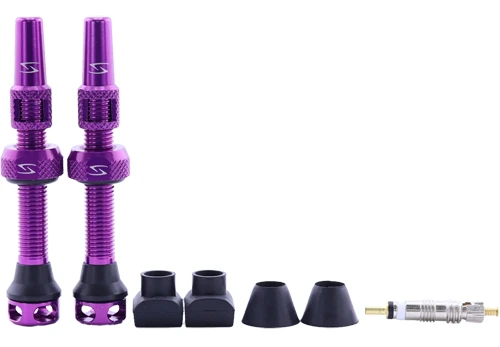
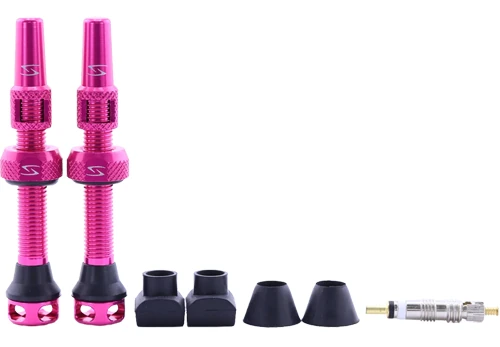
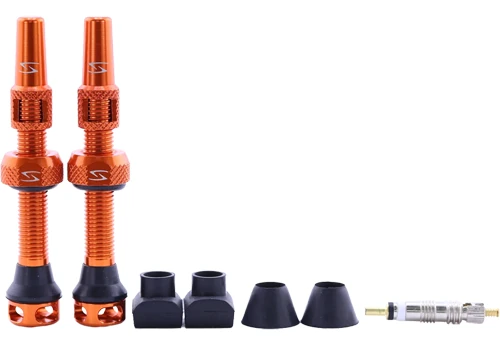
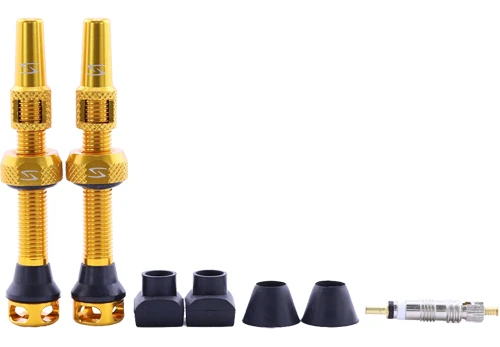
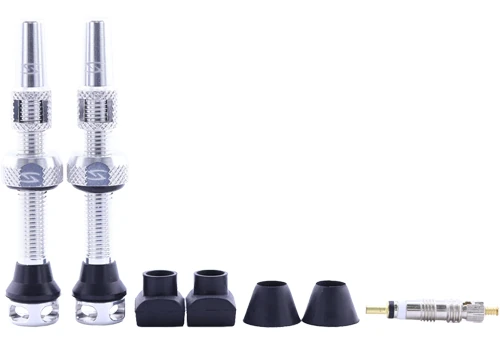
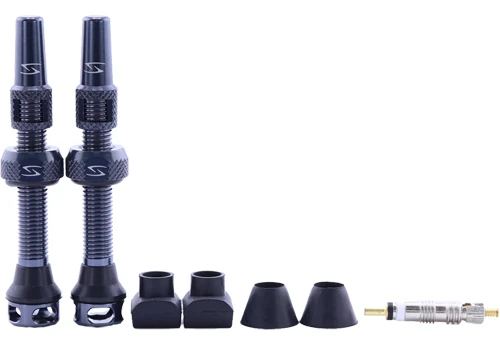
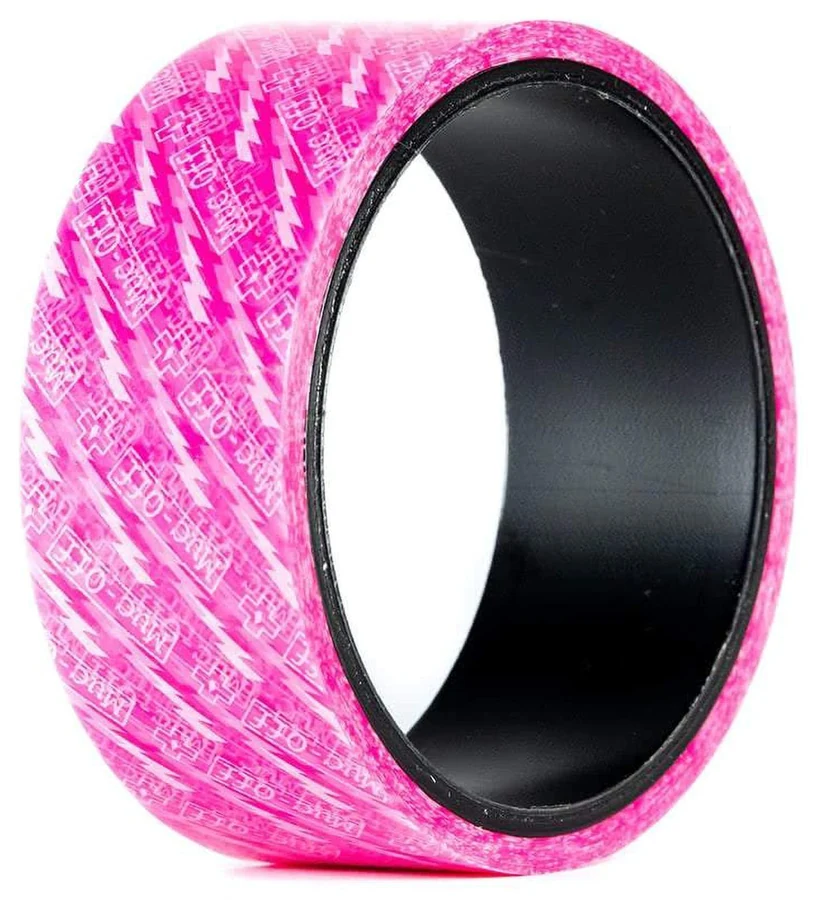
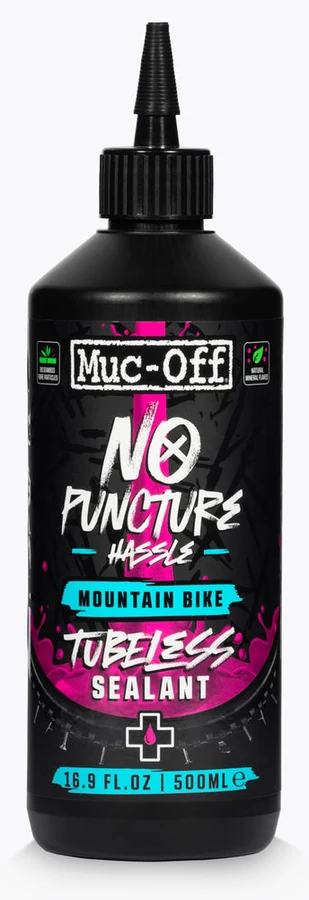
Tubeless removes the inner tube that can get pinched on an impact, but the tire casing and rim can still be damaged (Stan’s, Tannus). It’s an option to discuss for gravel, mountain biking, and bikepacking, not a promise that you can leave the repair kit at home.
A choice of tubeless sealants.
Different formulas suit different tires, riding conditions, and maintenance routines.
- Muc-Off: MTB Tubeless Sealant and Road & Gravel Tubeless Sealant offer formulas developed for those different riding styles.
- Orange Seal: Regular and Endurance are two options, with Endurance formulated to extend the time between top-offs.
Tubeless inserts are not the same as tube-type Armour.
A Tannus tubeless insert supports the tire and cushions the rim while still using tubeless sealant; it does not put an inner tube back inside the tire. We’ll consider impact support and tire feel separately from protection against thorns.
In our online store: All Tubeless Supplies · Tubeless Sealant · Tubeless Tape · Tubeless Valve Stems
Why we discourage airless tires.
We generally steer riders away from solid airless tires. In our workshop experience, avoiding flats can come with significant tradeoffs: extra weight, increased rolling resistance that makes pedaling harder, difficult installation, fit problems on some rims, and a harsh ride.
Our concern isn’t just comfort. We’re also thinking about impact loads on the wheel and the jolts that reach your saddle and back. For most riders, we’d rather improve the protection of a properly fitted air-filled setup than give up its cushioning and adjustable tire pressure.
This is different from Tannus Armour and tubeless inserts, which add foam support inside a tire that still uses air.
A little upkeep keeps protection working.
Pressure checks and tire inspections still matter with added protection; use a pressure appropriate to your tire, rim, load, and riding while respecting the manufacturer limits, rather than treating the tire’s printed maximum as a target (Schwalbe). We’ll help you find a useful starting point.
Sealant dries out, and inspection or refill intervals vary with the formula and conditions (Stan’s sealant guide). We’ll explain the upkeep for the product we install, especially if the bike sits between rides.
If a tire keeps losing air, bring it in before another long outing. We can check the tire, valve, tape, and sealant rather than assuming it just needs more of the same.
Good protection. A small backup plan.
For a tube-equipped bike, a suitable spare tube, patch kit, pump, tire levers, and the tools needed for wheel removal make a useful starting point (REI’s flat-repair guide). Start with a kit you know how to use.
For tubeless, ask us about a compatible plug kit and the backup plan for a puncture that won’t seal. We can also talk through a spare tube, a tire boot for a damaged casing, and wheel removal on your particular e-bike or cargo bike.
The best repair kit is useful to you on the roadside, not just impressive in a bag. If you want to learn to do the work yourself, The Bike Works also has DIY tool stations.
Roadside backup in our store: Tire & Tube Repair · Pumps · Spare Tubes
Less fixing. More riding.
Bring the bike, the wheel, or the tube, and tell us what has been happening. We’ll look for the cause, explain the choices, and help you decide how much protection makes sense.