Comfort at the Contact Points
Your bike should feel good to ride. If you feel stretched out, your hands get uncomfortable or your saddle has you counting the miles home, let’s talk about it. Tell us what you’re feeling and how you ride.
You may not need a different bike—or a pile of new parts. Sometimes a small adjustment makes a meaningful difference. Other times, a different handlebar, stem, saddle or pedal setup can help make the bike you already enjoy a better place to spend a few hours.
Start with the position, not the shopping list.
Where do you feel discomfort, and when does it start? Does it happen right away, build over a longer ride or change when you’re climbing or riding rough ground? Those details give us a useful place to start.
Bring your bike and the shoes you normally ride in. We’ll look at your riding position, saddle placement, reach to the bars and how your feet meet the pedals. Then we can work through adjustments and component options with a clearer idea of what you’re trying to improve.
A better place for your hands.
Want to sit a little taller, bring the grips closer or give your hands somewhere else to go on a long ride? There’s more than one way to get there. We’ll help you compare handlebar shapes and positions that suit you, your bike and the riding you enjoy.
Swept bars and alternative hand positions.
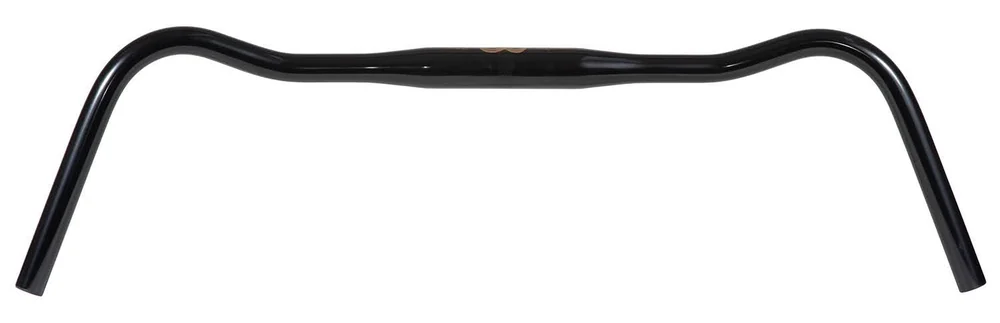
Some bars bring the grips back toward you. Others add height, extra hand positions or room for bags and accessories. We’ll compare sweep—the angle back toward the rider—along with height, width and reach, while making sure your controls, cables and brake hoses work with the new setup.
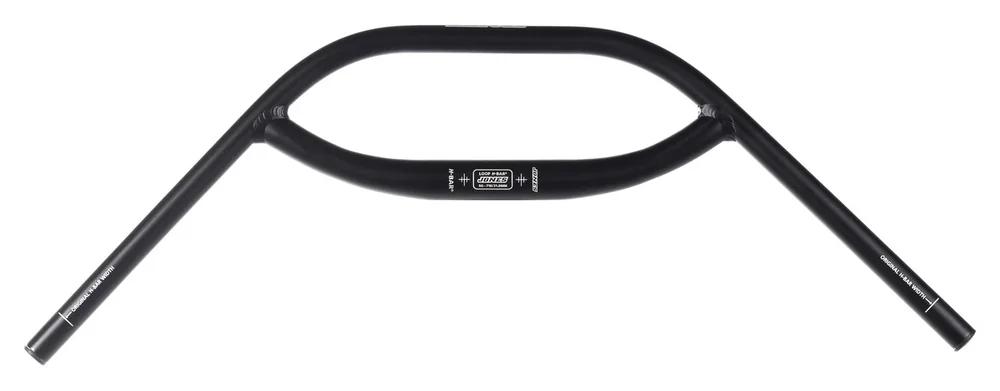
- Jones H-Bar: A 45° swept bar with a long grip area and, on Loop versions, additional places to rest your hands; standard and 2.5-inch-rise versions offer different starting points for the setup.
- SimWorks Ramble Bar: A 65°-swept aluminum bar developed with Golden Pliers and made by Nitto, with room for a large front bag and a hook-shaped section ahead of the grips. We’ll check stem length and control placement; the Ramble is not compatible with bar-end shifters.
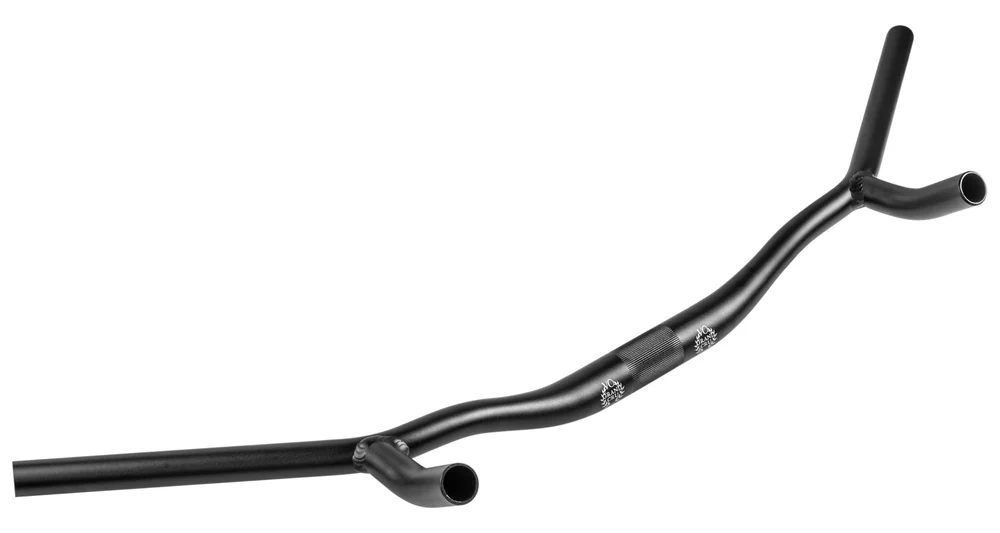
- Velo Orange Crazy Bars: A swept-back main bar with 40 mm of rise and forward horns, combining a broad control position with additional hand positions farther forward.
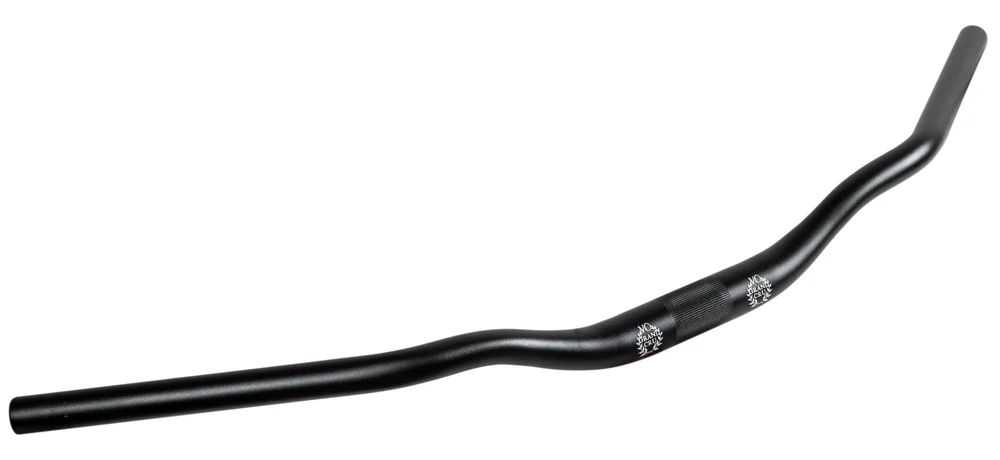
- Velo Orange Seine: A simpler swept riser bar with 35° of backsweep and 40 mm of rise, without the Crazy Bars’ forward horns.
- Surly Moloko: A steel multi-position bar with a forward loop and extensions, offering additional hand positions and space for bags and accessories.
- Tumbleweed Persuader: A swept riser bar with a generous central mounting area, worth comparing when bags, a GPS, and other equipment need space alongside your controls.
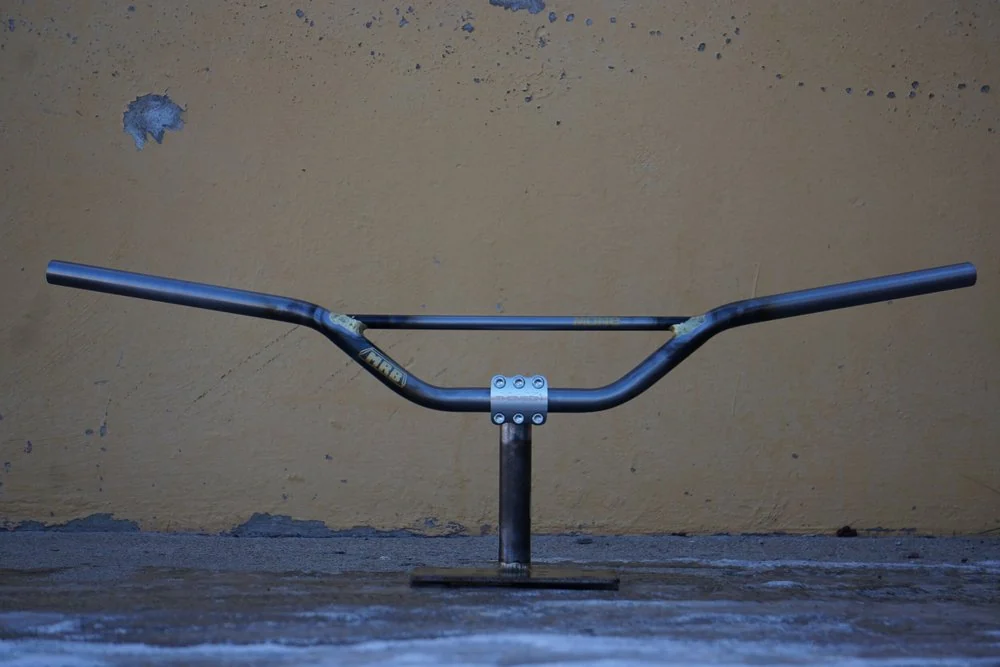
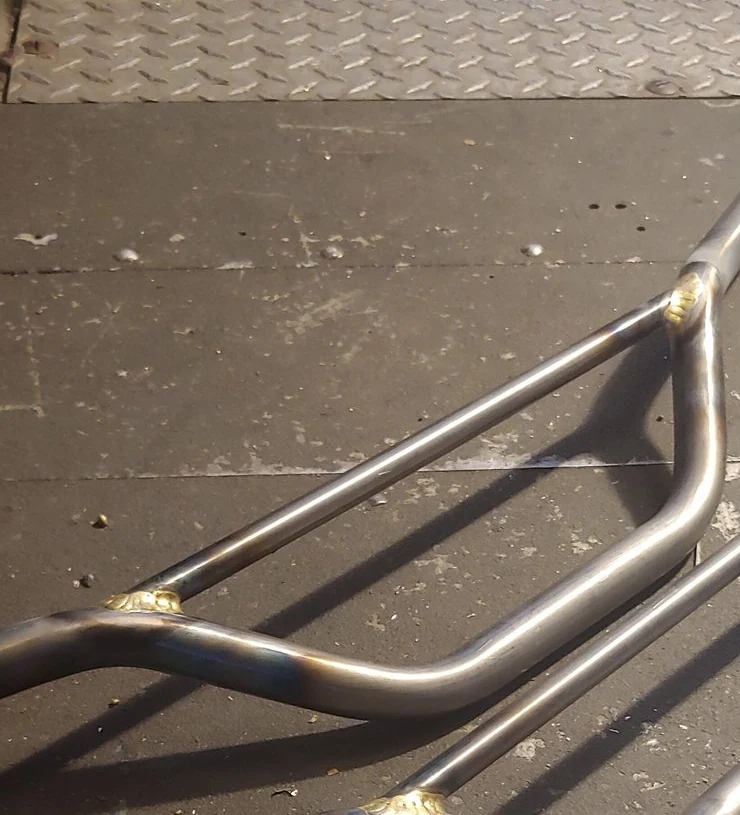
- Monē Meal Replacement Bar: A brazed, high-rise bar with 3.5- and 4.5-inch rise options and 25° of sweep, worth comparing when you want to bring the grips higher. Its 22.2 mm clamp needs a compatible stem or an appropriate shim, which we’ll check as part of the setup.
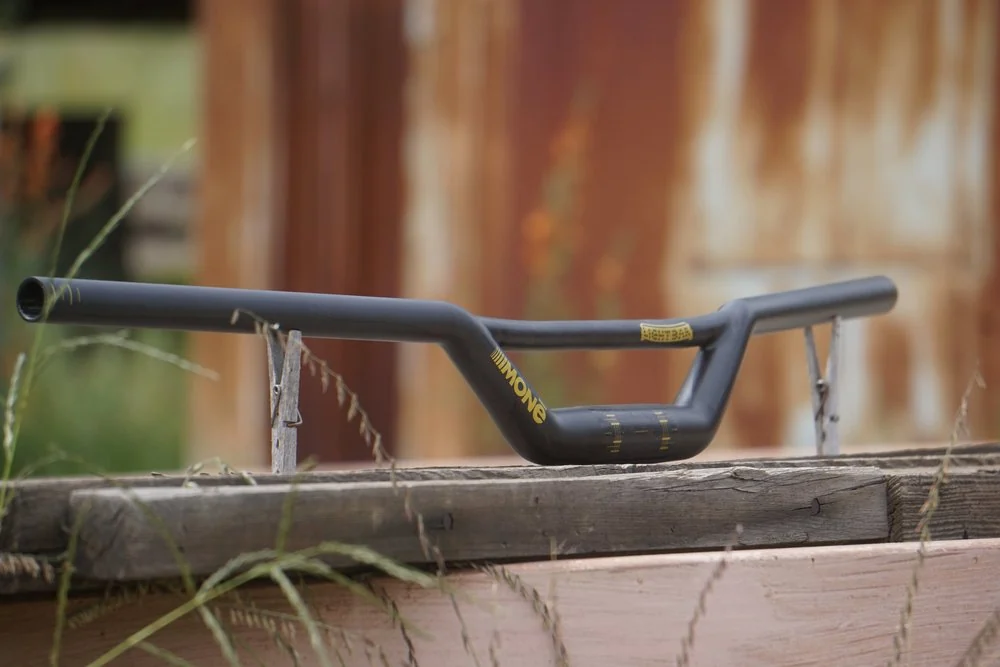
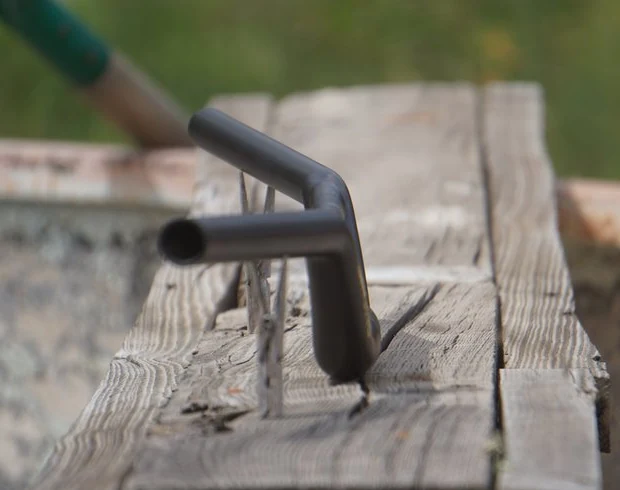
- Monē Light Bar: A carbon riser bar with 2.5 inches of rise, 12° of sweep and a 31.8 mm stem clamp. Another option for adding height while keeping handlebar weight down.
Product photos show examples to compare, not a complete stock list. Linked labels open product details; we can check availability and compatibility for your bike.
For more ideas, explore BIKEPACKING.com’s editors’ favorite handlebars for bikepacking.
Dirt drops. More than a lower hand position.
A good dirt-drop setup should give you comfortable positions you’ll actually use. We’ll look at where your hands rest, how easily you can reach the brakes and how the bars work with your riding position—not just how wide or flared they are. For bikepacking, we’ll also plan room for your handlebar bag.
- Dajia Cycleworks Far Bar: An off-road touring drop bar designed around road controls, with a conventional hood position and access to the brake levers from the drops.
- Salsa Cowchipper: A familiar road-like upper section with 24°-flared drops, designed for mixed surfaces, touring, and long days on routes such as the Great Divide.
- Salsa Woodchipper: A more distinctive off-road shape with extra-wide lower sections and a shallow drop; it needs its own deliberate setup rather than being positioned like a conventional road bar.
- Ritchey VentureMax: A flared adventure bar with a shaped “Bio-bend” in the drops, offering another approach to lower-hand support.
- Ritchey Beacon: A short-reach, shallow-drop option with pronounced flare, worth comparing if a deep conventional drop doesn’t feel useful to you.
- Redshift Top Shelf: A riser drop bar available with 50 or 70 mm of rise, lifting the tops and drops while adding a second crossbar for bags and accessories.
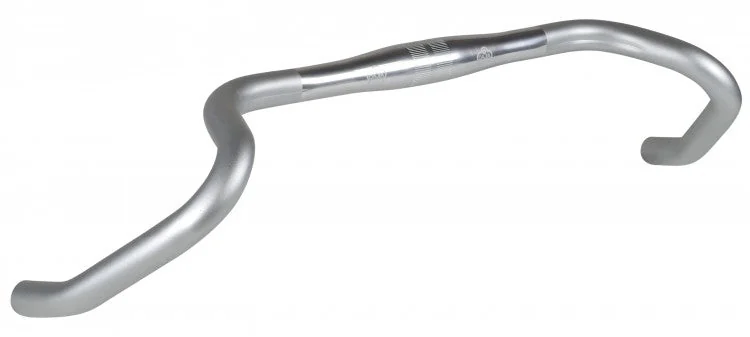
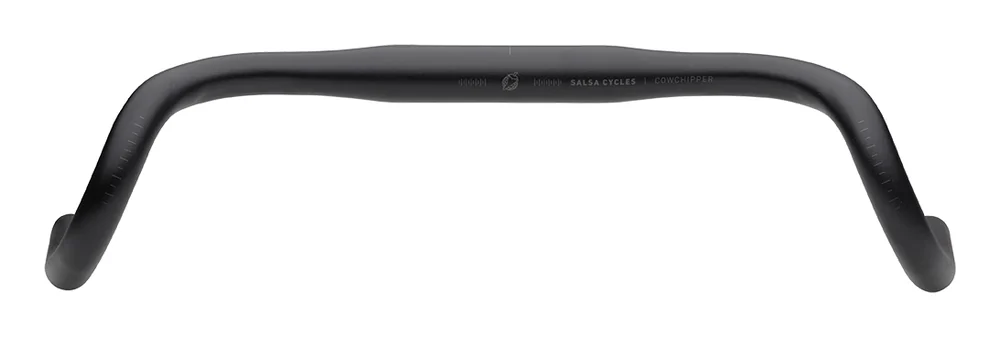
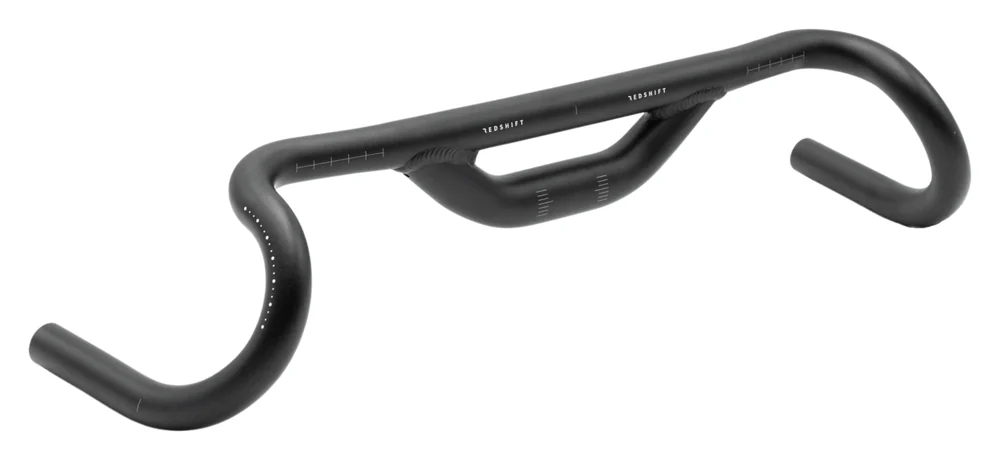
See these bars on riders’ bikes in BIKEPACKING.com’s Tour Divide drop-bar roundup.
Already have a flat-bar bike? The Surly Corner Bar offers another approach worth considering.
Surly Corner Bar. New positions. Familiar controls.
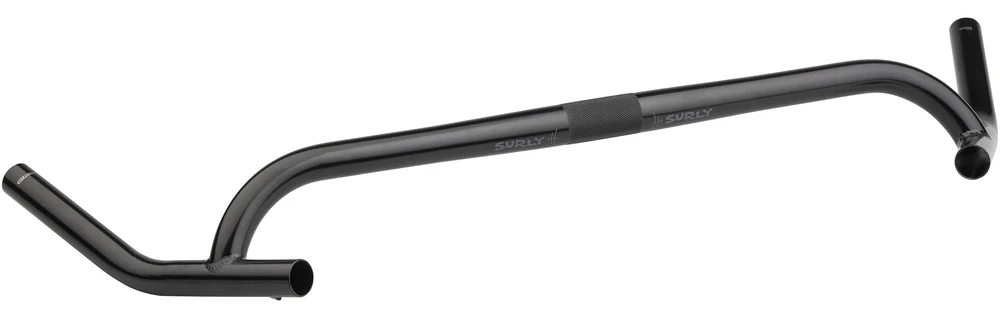
With compatible mountain-bike brake levers and shifters, the Surly Corner Bar offers drop-style hand positions without requiring conventional drop-bar controls. We can help you decide whether that approach suits the bike you already have.
Bring the bike in so we can check stem fit, control placement and cable or brake-hose length before recommending the swap. We’ll look at the complete setup, including where you want your hands to sit and how easily you can reach the brakes.
Fit note: 25.4 mm stem clamp; compatible 22.2 mm mountain-bike controls (Surly specifications).
Aero bars. Another position, not just more speed.
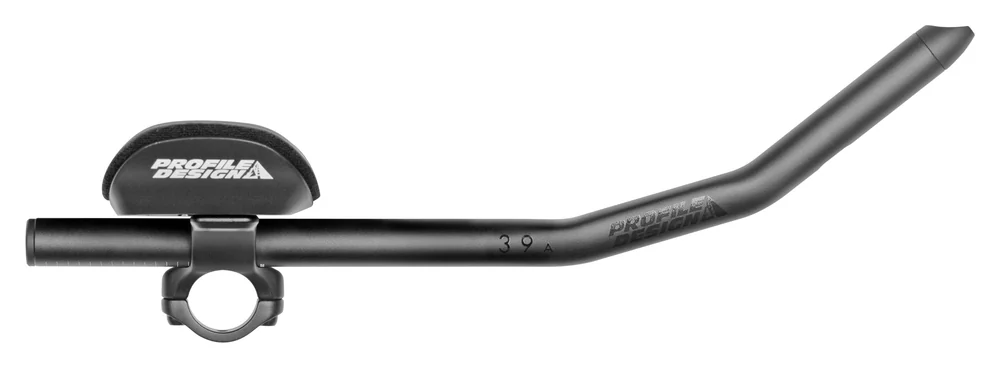
Clip-on aero bars can give you a supported position that shifts some weight from your hands to your forearms, a reason they appear on many long-distance bikepacking setups (BIKEPACKING.com). We’ll help you explore whether that position makes sense for your riding.
We’ll look at pad height, reach and extension shape, along with room for your bags, lights and navigation device. We’ll also check handlebar compatibility before recommending a setup, rather than assuming a clip-on will fit (Profile Design).
Keep braking and steering control the priority. Use the supported position only on suitable open, predictable sections, and return to your main grips and brake controls before traffic, turns, descents or rough ground. Practice that transition somewhere quiet before making it part of a long ride.
Grips, tape, and controls still matter.
We won’t overlook the smaller details while comparing handlebars. We’ll also look at grip shape, bar tape, brake-lever reach, and control placement, and make sure your useful hand positions work with the riding you do.
In our online store: All Handlebars (Cruiser & Upright Bars · Drop Bars) · Grips & Bar Tape
Bring the bars to you.
The right handlebar shape is only part of the picture. Where it sits matters, too. If your bars feel too low or too far away, we’ll look at stem height and length alongside your saddle position, hand positions and access to the brakes.
That applies to upright bars as well as drops. If you want to spend more time in the drops, we can explore a setup that makes that position more usable, rather than assuming the bars need to sit low.
High-rise stems.
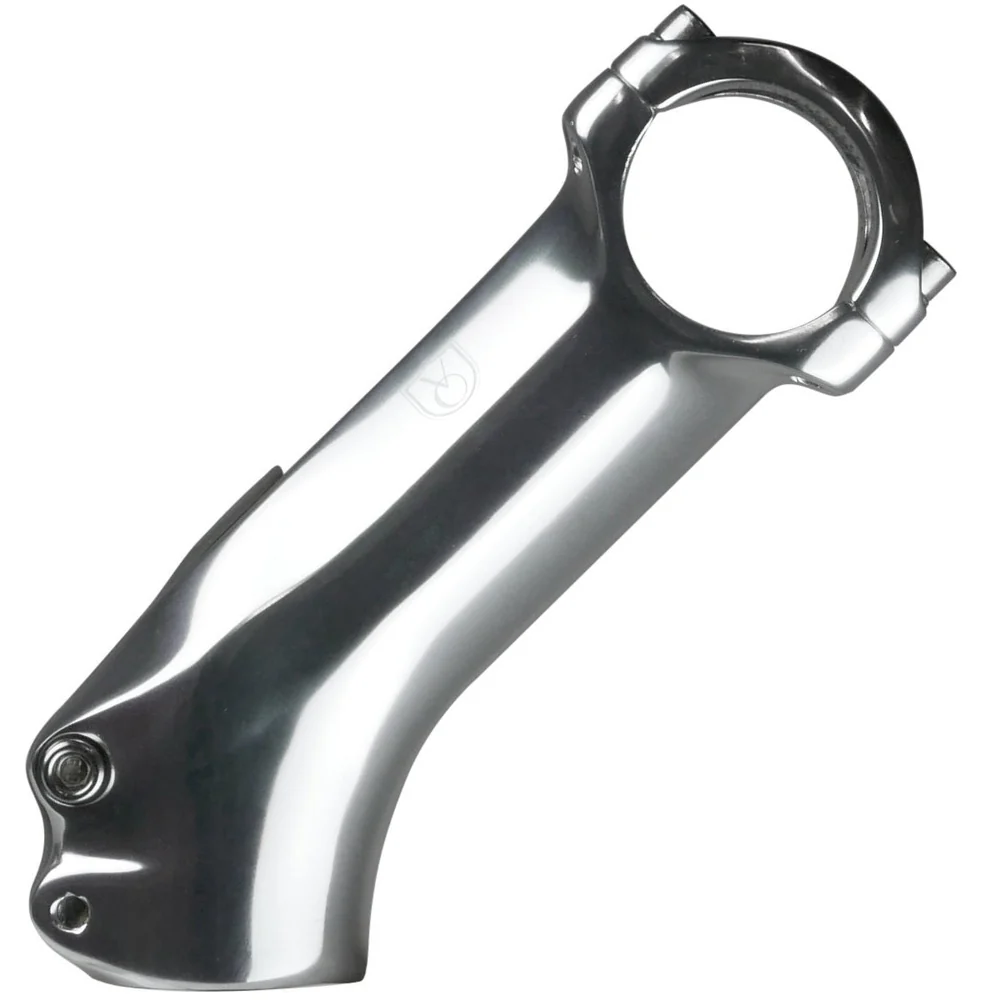
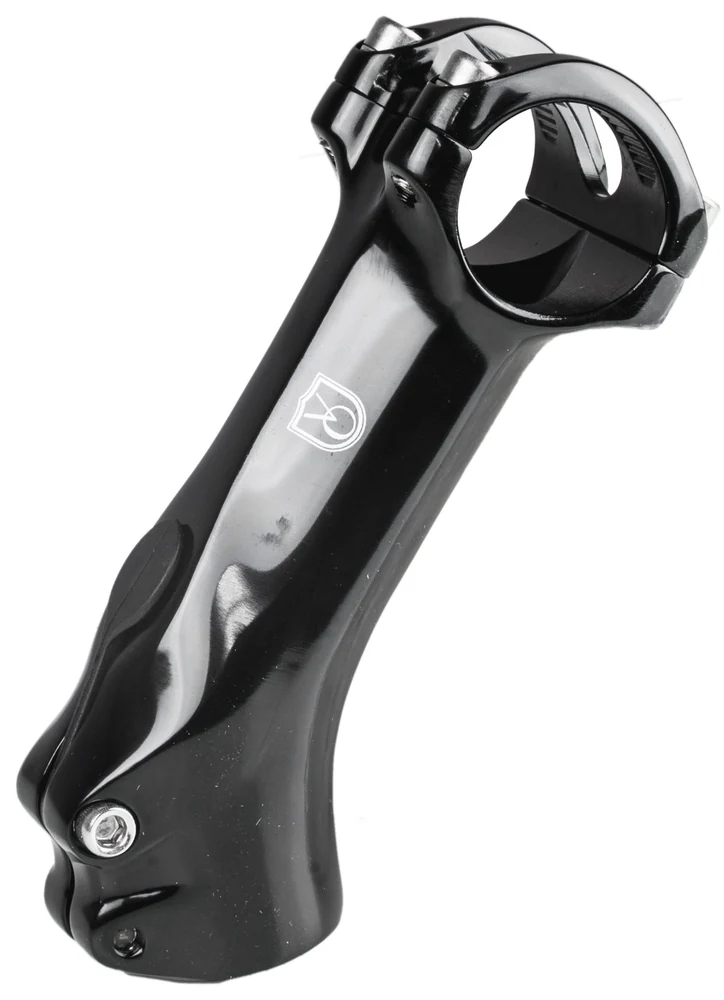
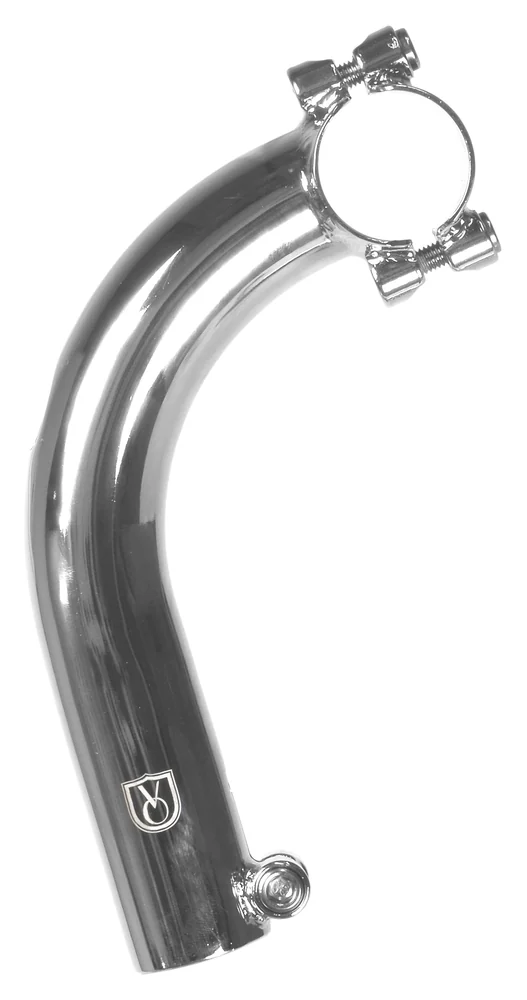
- Velo Orange Happy Stem: A +45° stem designed to raise touring or dirt-drop handlebars, including setups using the Far Bar.
- Velo Orange Cigne Stem: A tall, gooseneck-style option that brings the handlebar clamp well above the stem’s base.
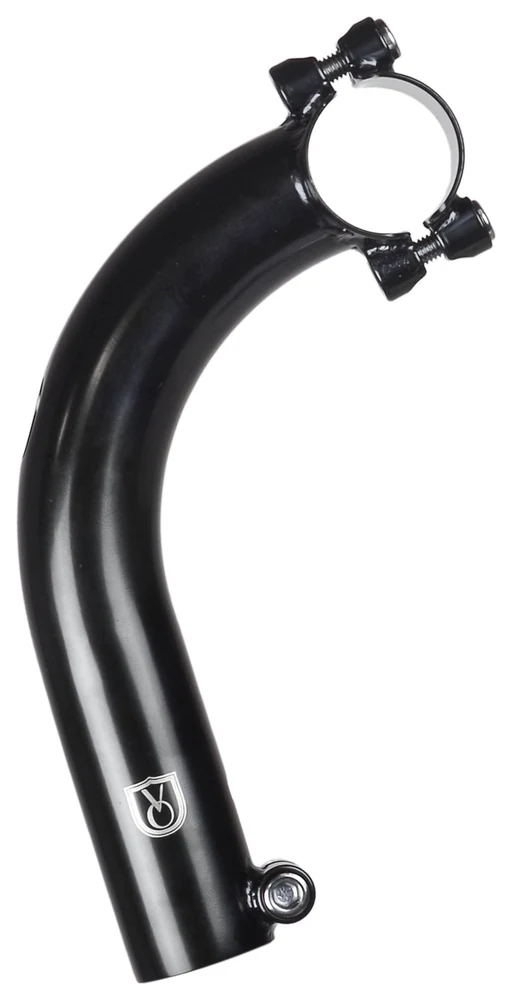
Adjustable stems and steerer extenders.
An adjustable-angle stem offers another way to explore a different bar position. On a suitable bike, a steerer extender is another option for raising the bars.
Suspension stems. Take the edge off.
A suspension stem addresses a different part of comfort: reducing the road buzz and impacts reaching your hands. It is an option to consider alongside a suitable riding position, not instead of one.
- KINEKT: A spring-based design with 20 mm of vertical compliance and interchangeable springs; the 50° Comfort+ version also offers a higher-rise position.
- Redshift ShockStop: An elastomer-based design with up to 20 mm of effective travel and interchangeable elastomers to tune the feel.
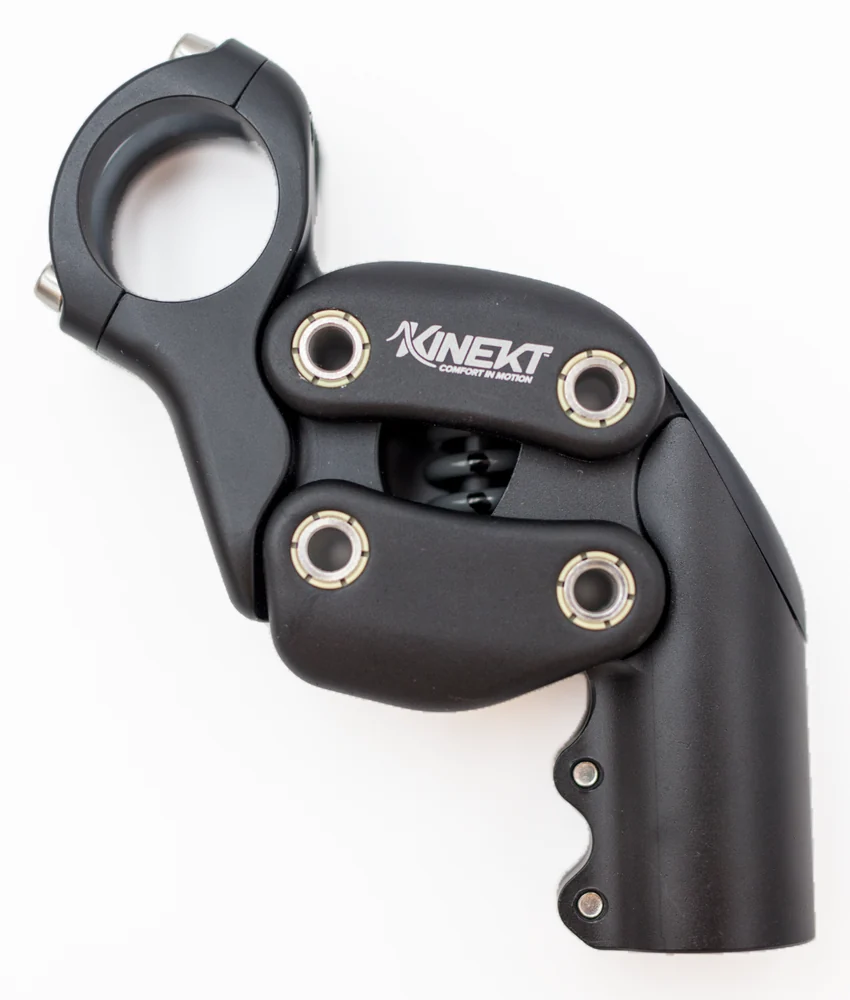
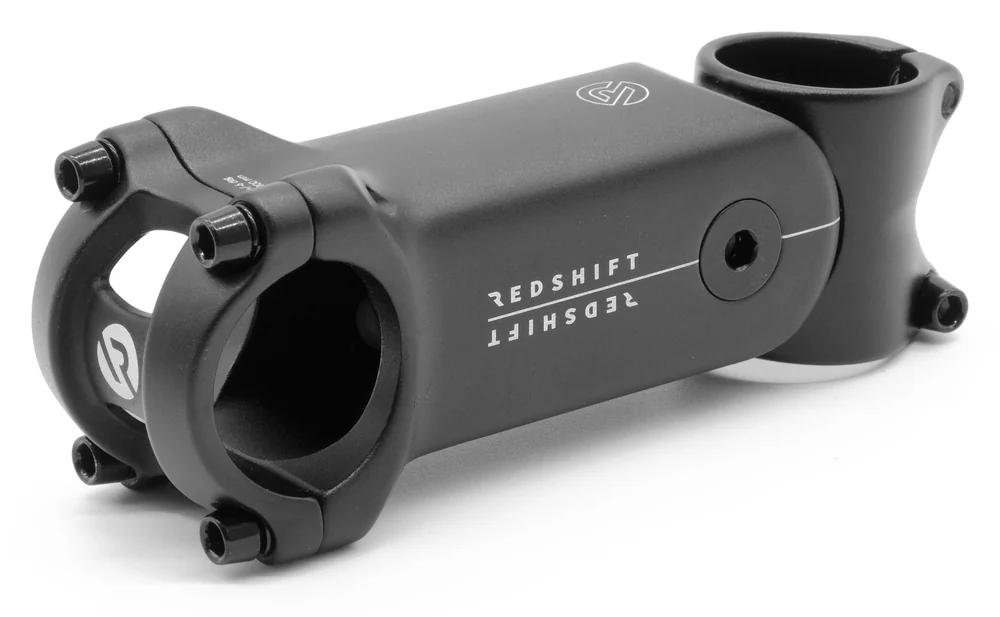
Bring your bike and tell us what you’d like to change. We’ll check availability, compatibility and installation details as part of a setup that works together.
In our online store: Browse Stems across rise, length, and clamp options.
A saddle that supports you. Not just more padding.
A comfortable saddle supports you in the position you actually ride, whether that’s upright around town or leaning forward for a long day on gravel (REI’s saddle guide). Start with what you’re feeling: pressure, rubbing, or a saddle that never quite disappears beneath you.
The couch isn’t always the answer.
A broad, cushioned saddle can make sense for upright riding, but one that’s too wide can rub your thighs and interfere with pedaling (REI’s width guidance). The goal is support where you need it and room for your legs to move.
Padding isn’t the enemy, but more isn’t automatically better: too much softness can let you sink in and create pressure instead of support (REI’s padding guidance). We’re looking for the right shape and feel, not the biggest seat in the shop.
Everyday comfort. Keep it straightforward.
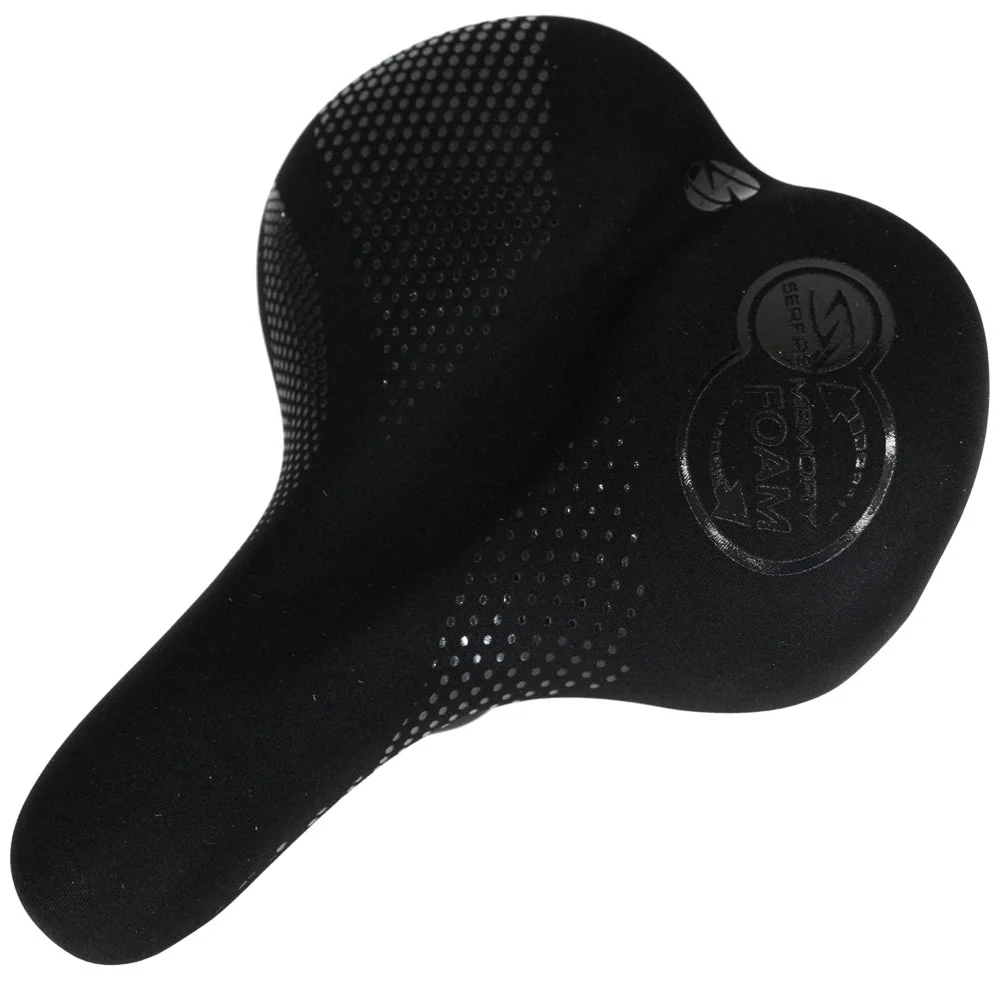
Simple replacements such as the Serfas Tailbones TBM-10 and TBM-20 deserve a place in the conversation. Not every bike needs an expensive saddle to become more pleasant to ride.
The TBM-10 combines progressive-density foam and a memory-foam top layer in a relaxed-riding design. These are useful starting points for an everyday bike, not a reason to choose by softness alone.
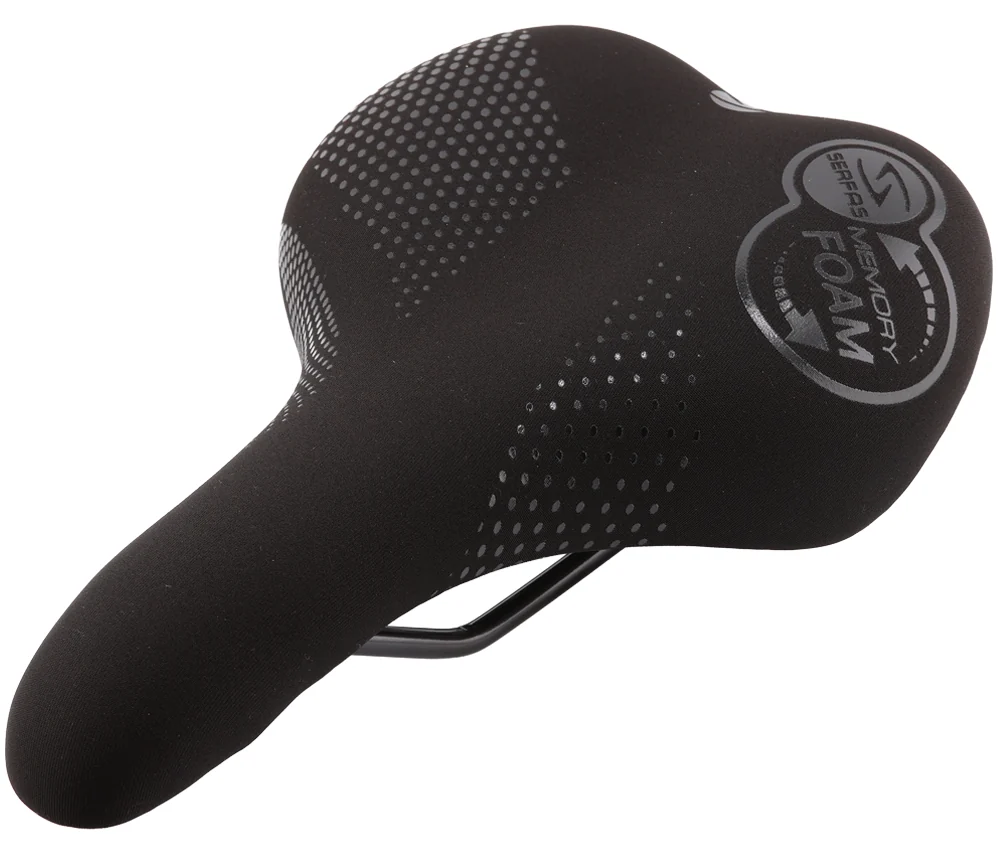
Ergon. Match the saddle to the ride.
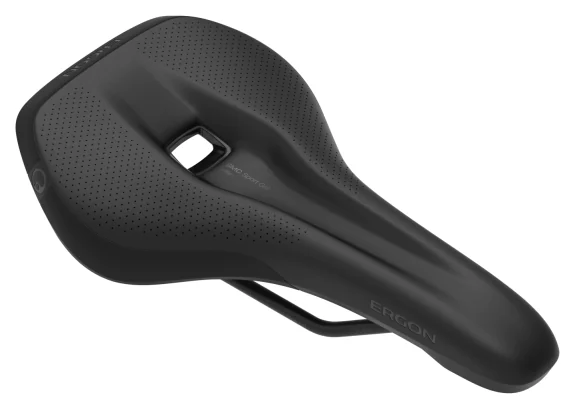
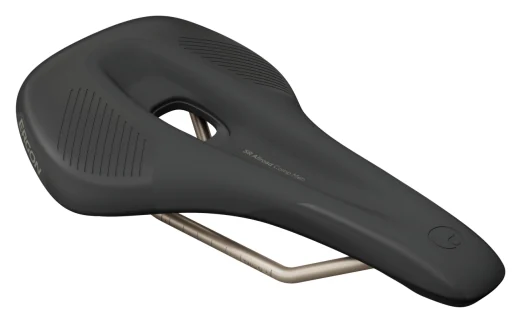
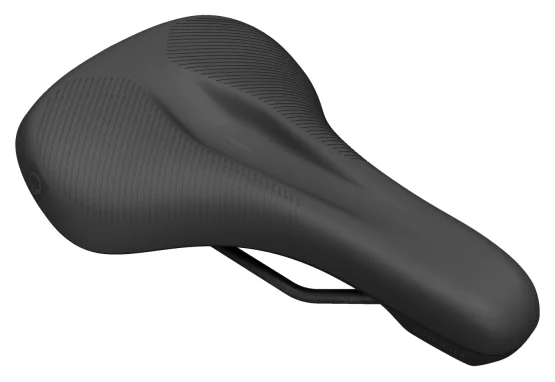
Ergon’s different shapes, widths and anatomy-specific versions let us compare more than just padding. These three families take different approaches:
- SMC Sport Gel: For mountain biking, trail riding and off-road touring, with supportive foam, gel inlays and a relief channel.
- SR Allroad: For road, gravel and longer bikepacking rides, with a shape designed to leave room for your legs to move.
- ST Core Evo: For touring and e-touring, using an elastic core between two shells to cushion road vibration.
Mixed terrain or everyday miles.
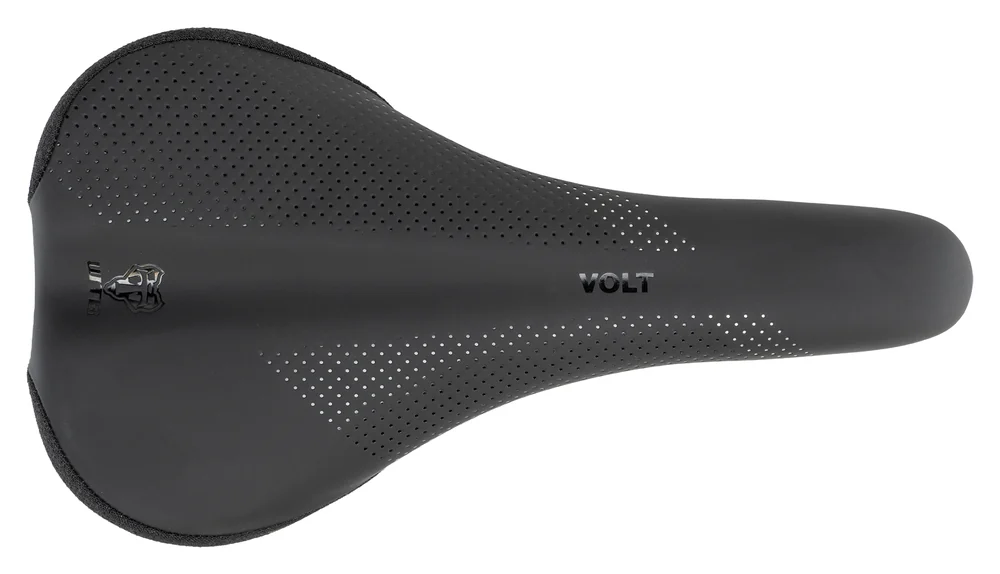
- WTB Volt: A contoured option for mountain, gravel and bikepacking riding, with several widths to compare.
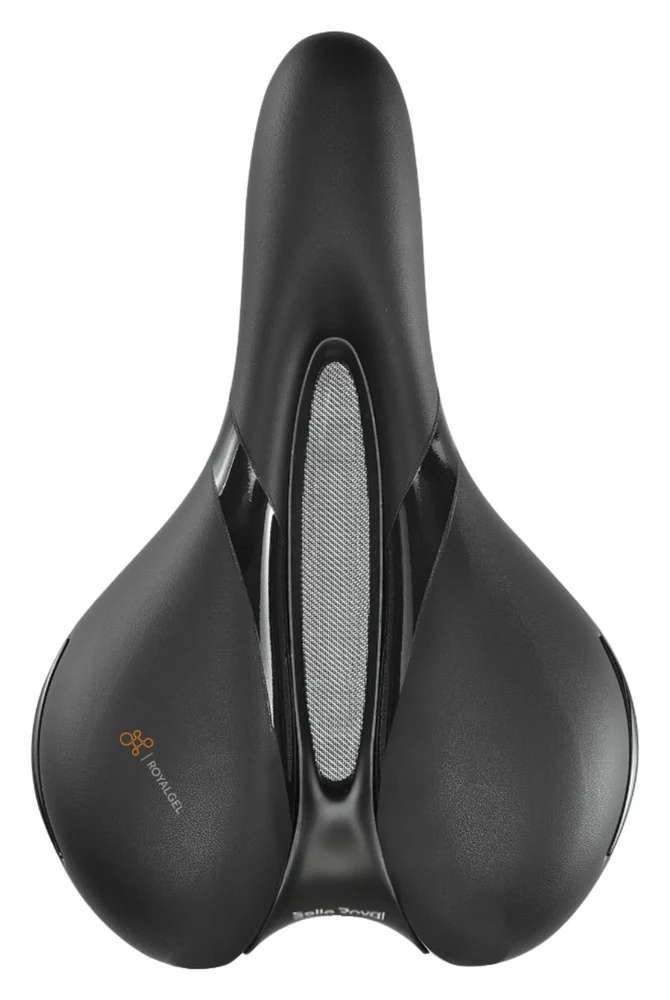
- Selle Royal Respiro Moderate: A moderately upright commuting-and-leisure option with cushioning and a ventilation channel.
Leather options. Brooks and Selle Anatomica.
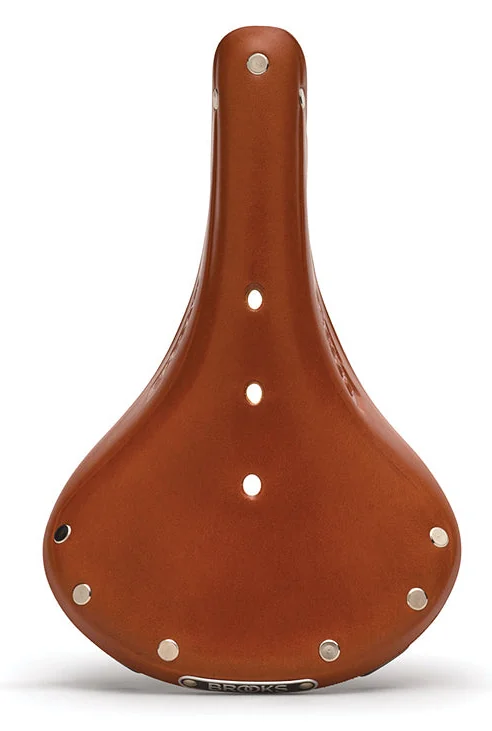
Brooks leather saddles use a tensioned top that flexes and shapes to the rider through use, with choices ranging from the familiar B17 to broader, sprung models such as the B67. Leather has its own feel; the model and riding position still matter.
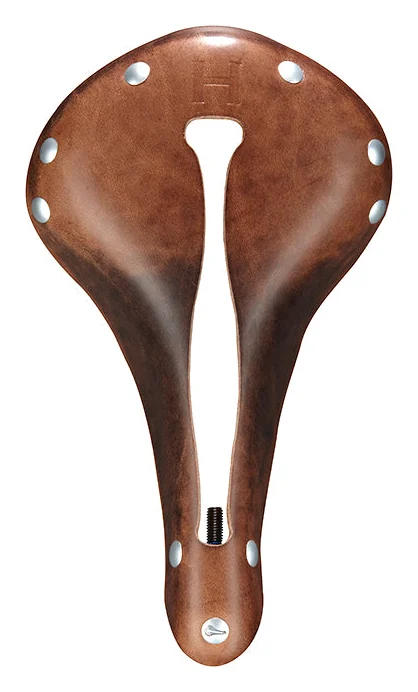
The Selle Anatomica H2 offers another take on leather support, with a firmer leather top and a central slot designed to let the leather move with you. It’s worth comparing if you like a flexible leather saddle but want a different shape and feel.
Leather care differs between Brooks and Selle Anatomica; we’ll explain the appropriate care for the saddle you choose.
Brooks Cambium. An all-weather alternative.
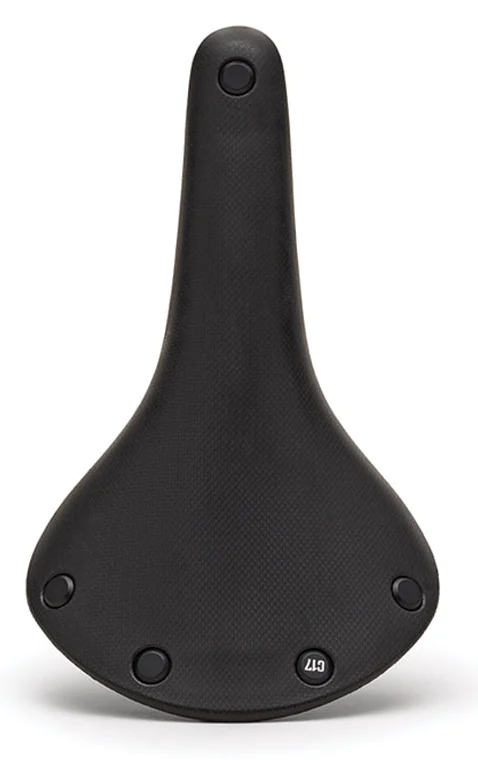
The Brooks Cambium C-series offers a different material choice: the C17 uses natural rubber and a nylon top rather than leather, with an all-weather surface and no leather break-in or conditioning routine. It’s another option to compare for a bike that gets ridden in all sorts of weather.
More shapes worth exploring.
The models above aren’t the whole conversation. A few other approaches are worth discussing when we’re narrowing down your options:
- Terry: Touring riders report using Liberator and Fisio models for long days, a useful reminder that a cushioned saddle isn’t just for short rides (touring riders’ experiences).
- SQlab: The 610 touring, 614 gravel and 621 city families put saddle width and riding position at the center of the comparison.
- Selle SMP TRK Medium Gel: Another cushioned shape to consider for city riding, trekking and touring, including e-bikes.
A performance-oriented saddle can belong in this discussion, too: a Specialized Power Pro Mirror and a Fizik Antares Adaptive appear among riders’ submitted Divide setups (2026 Tour Divide rigs). That makes them useful comparisons, not a reason everyone needs a premium saddle.
Tell us about a saddle that worked well for you, as well as the one that didn’t. We’ll look at the position and shape together, then discuss suitable options and availability.
In our online store: Browse Saddles for upright, gravel, trail, and touring positions.
Suspension seatposts. A smoother place to sit.
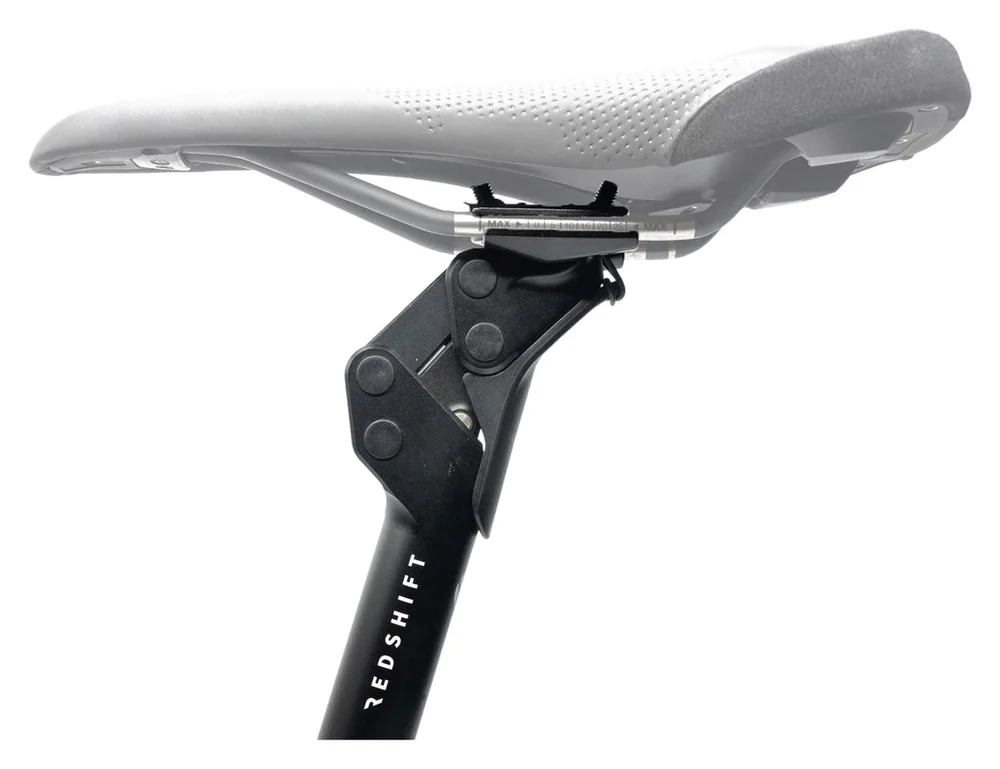
Even with a saddle you like, broken pavement and rough roads can make a long day feel longer. A suspension seatpost lets the saddle move beneath you to help cushion bumps and vibration while you’re seated (Redshift’s design explanation).
Think about where you’d appreciate a smoother ride: daily errands, a gravel outing or miles of washboard on a loaded bike. We can start with that rather than choosing by travel figures alone.
Different ways to smooth the ride.
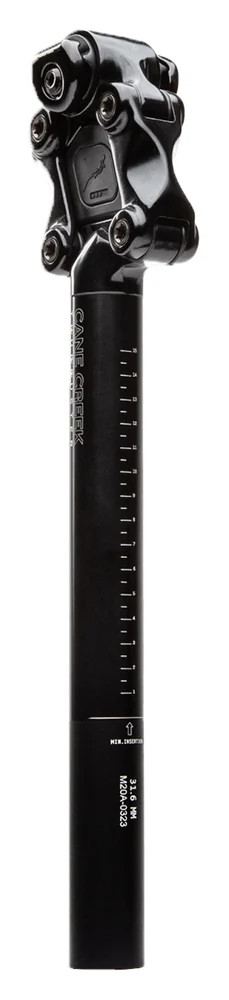
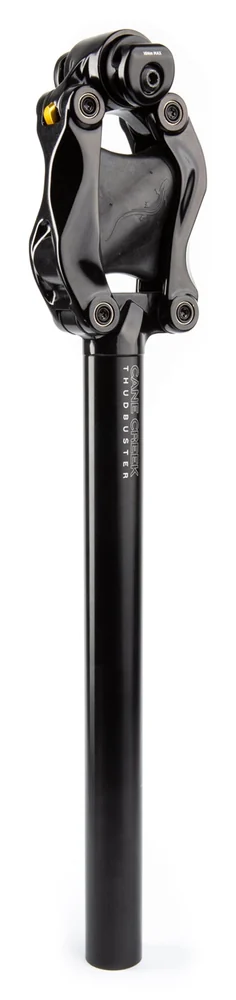
- Cane Creek Thudbuster ST: A compact elastomer-sprung linkage with 50 mm of travel and interchangeable elastomers to tune the feel.
- Cane Creek Thudbuster LT: The longer-travel option, with 90 mm of movement and interchangeable elastomers for a more generous cushion over bumps.
- Redshift ShockStop Endurance: A spring-based linkage with 35 mm of travel, adjustable preload and an included second spring for a firmer setup.
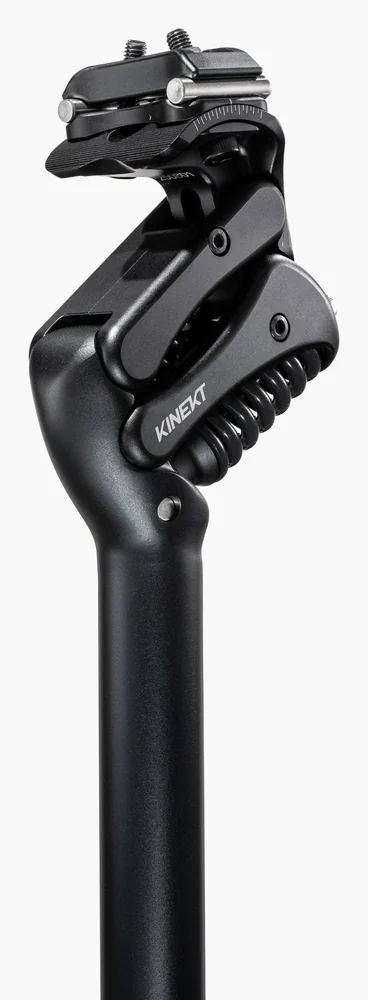
- KINEKT XR Aluminum: Up to 35 mm of travel, interchangeable external springs and a preload knob for fine-tuning, including setups for upright e-bike and cargo-bike riding.
More options for your budget.
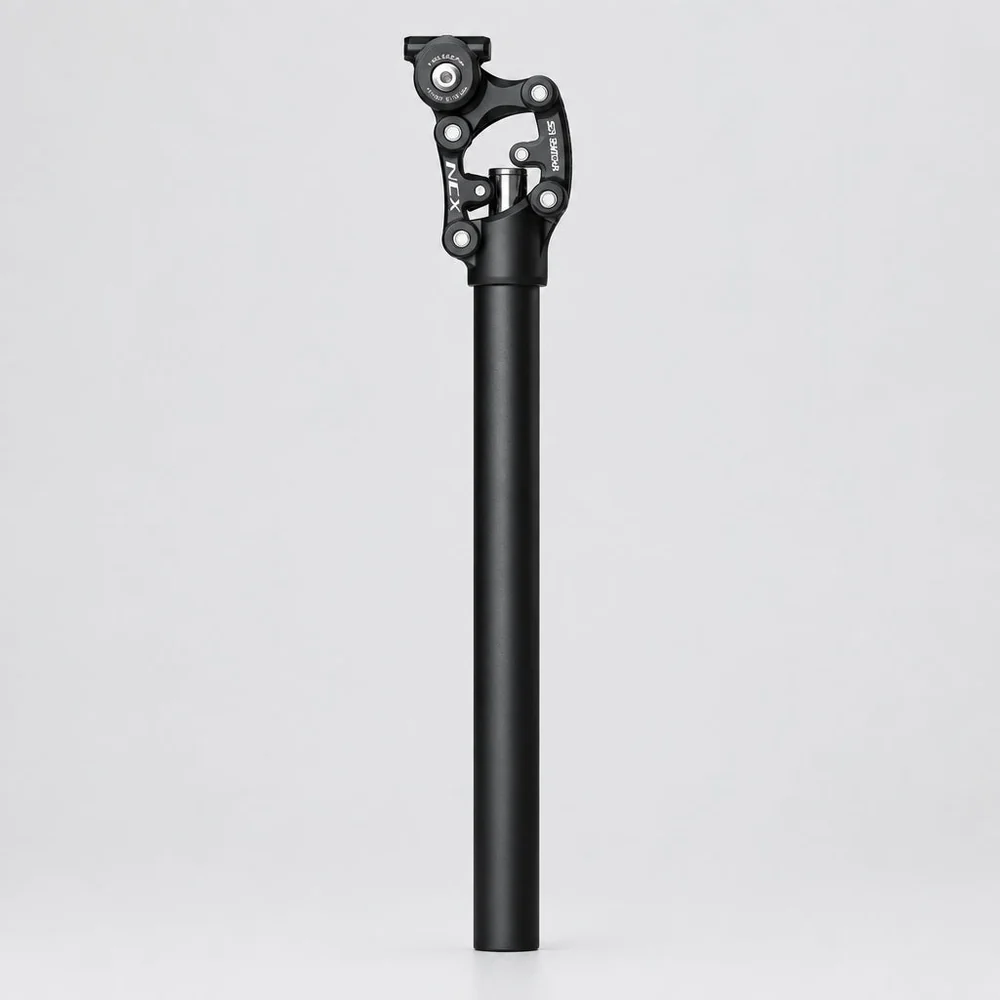
- SR Suntour NCX: A coil-sprung parallelogram post with 50 mm of travel, preload adjustment and alternative springs; it is also a long-standing budget recommendation in CyclingAbout’s comparison.
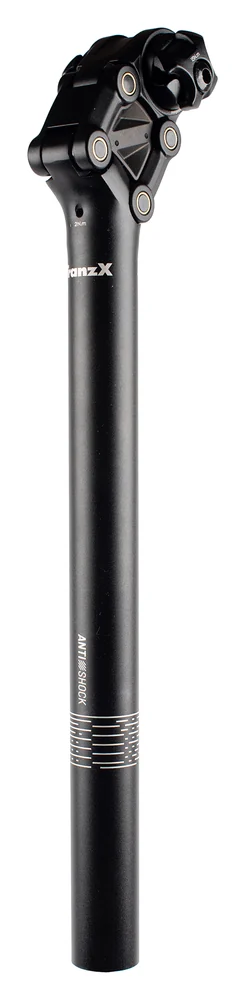
- TranzX Antishock QL: A four-link design with 20 mm of travel and three interchangeable elastomer blocks to adjust the feel.
- TranzX Antishock UL: A simpler vibration-focused design whose elastomer-supported saddle clamp allows ±4° of movement rather than the longer travel of a suspension linkage.
These are different approaches to comfort, not simply steps up a price ladder. We’ll help match the post and setup to you and your bike, including saddle height and space for a loaded seat bag.
In our online store: Suspension Seatposts · All Seatposts
Don’t ignore numbness.
Tell us about hand or saddle numbness rather than assuming it’s something every cyclist has to tolerate. We can discuss bike adjustments, but persistent, worsening, or unexplained pain or numbness deserves advice from a qualified healthcare professional, not just another component swap.
A solid place for your feet.
Your feet should feel settled on the pedals, not busy trying to find them again. Whether you’re riding across town or picking a line through rocky terrain, the goal is a connection you feel comfortable using.
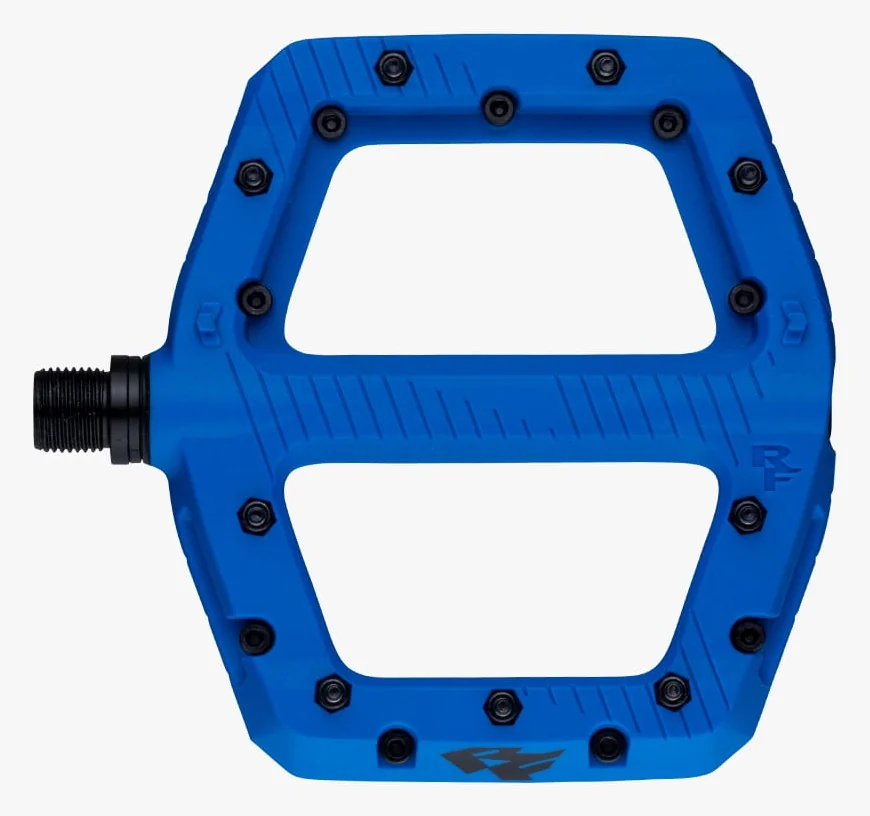
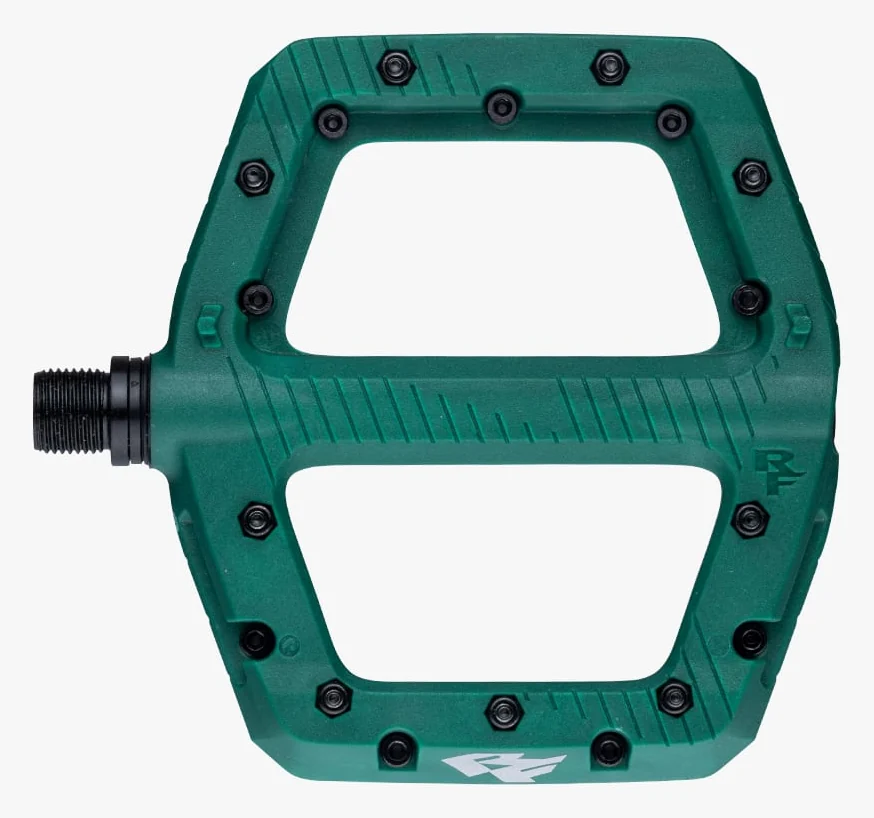
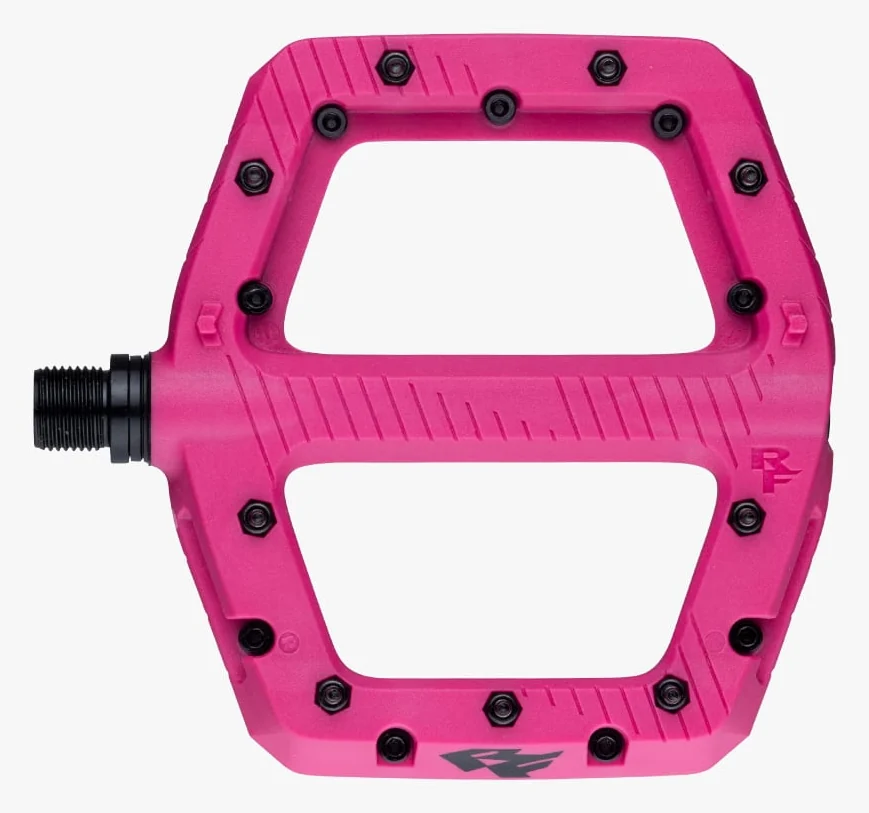
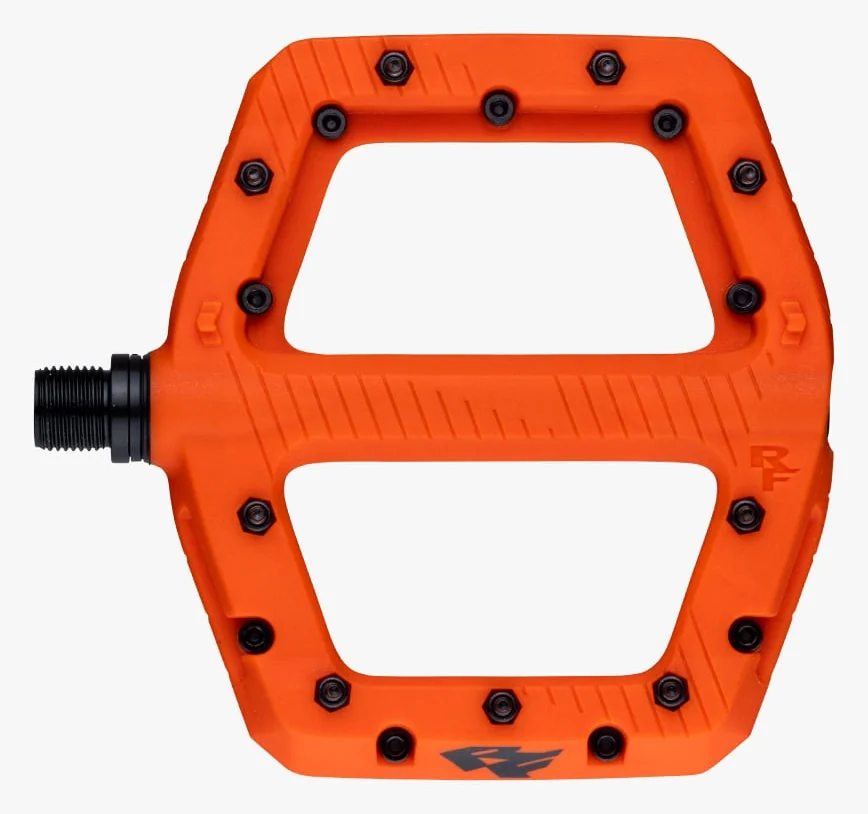
Chester. Secure footing without clipping in.
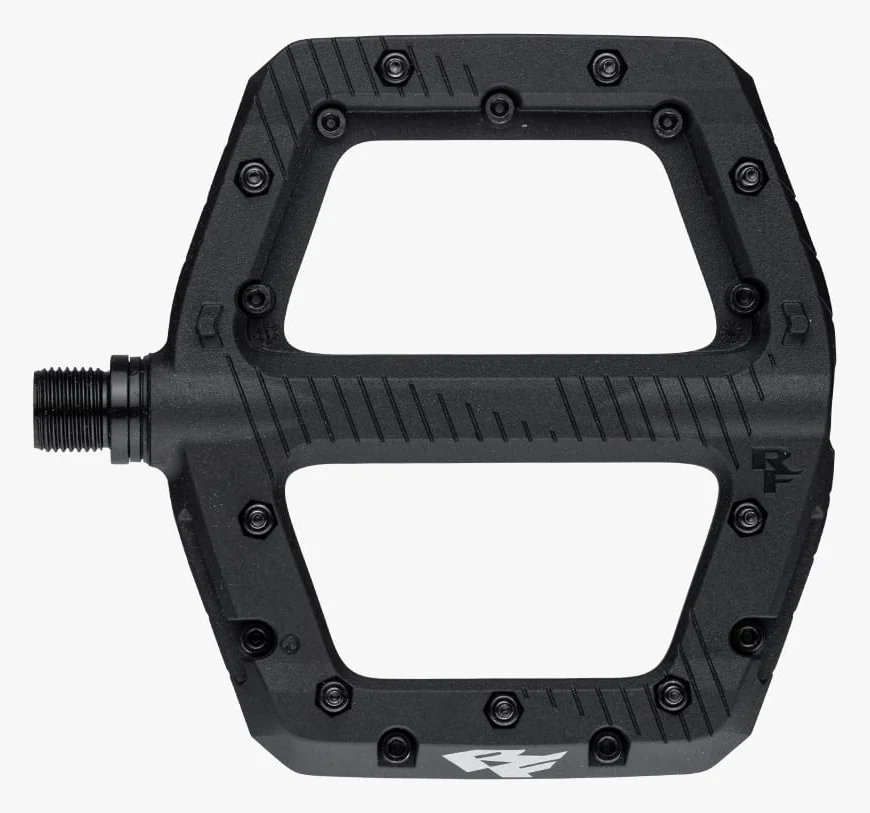
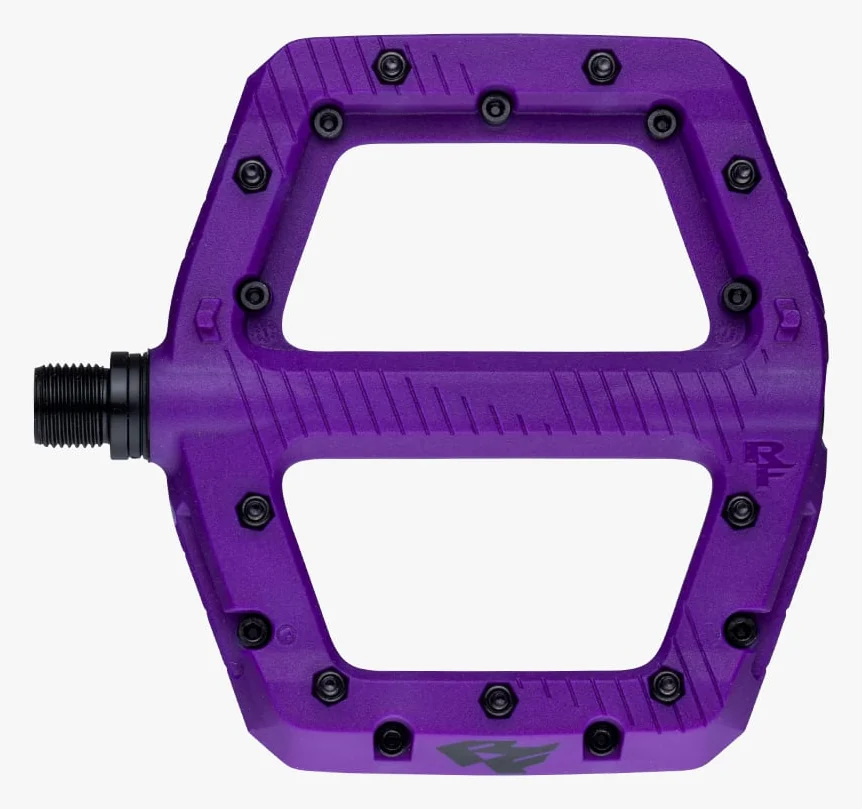
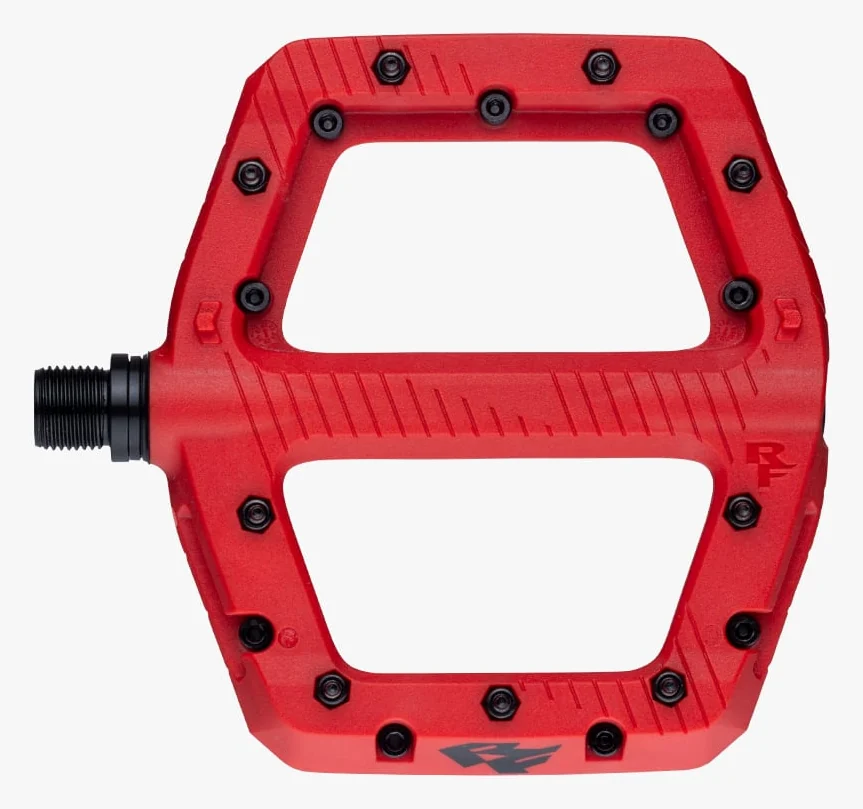
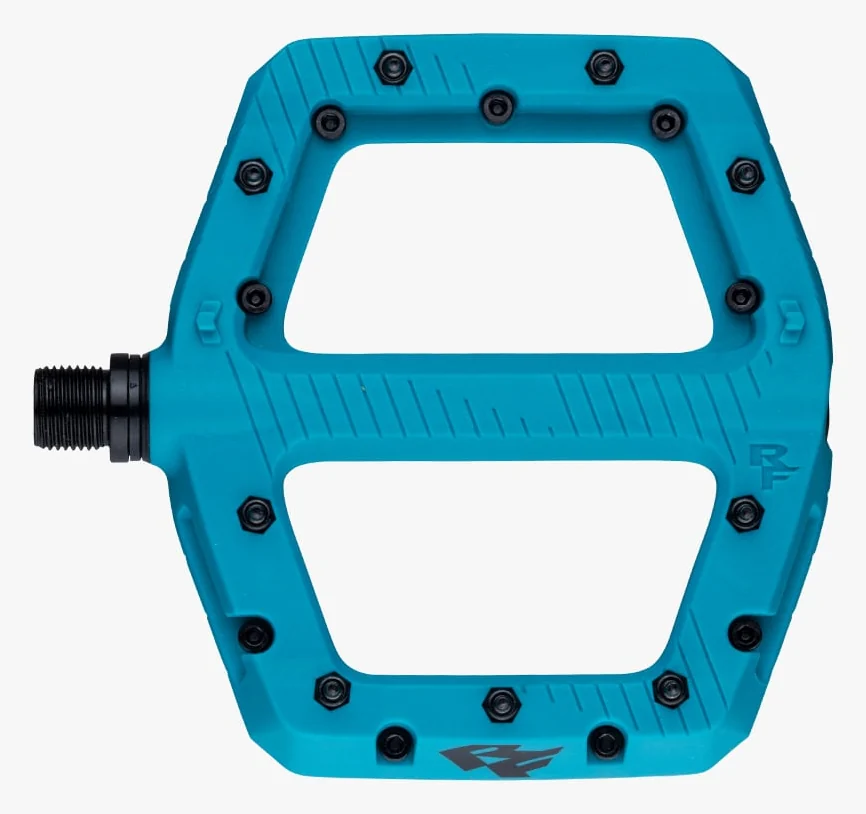
The Race Face Chester is a favorite here. Its nylon-composite platform and traction pins help a suitable shoe stay planted, with Small and Large options for different feet and preferences (Race Face Chester).
A grippy rubber sole helps the shoe and pedal work together for control (REI’s footwear guidance). Bring your riding shoes and we can compare the feel.
PNW Loam. An aluminum alternative.
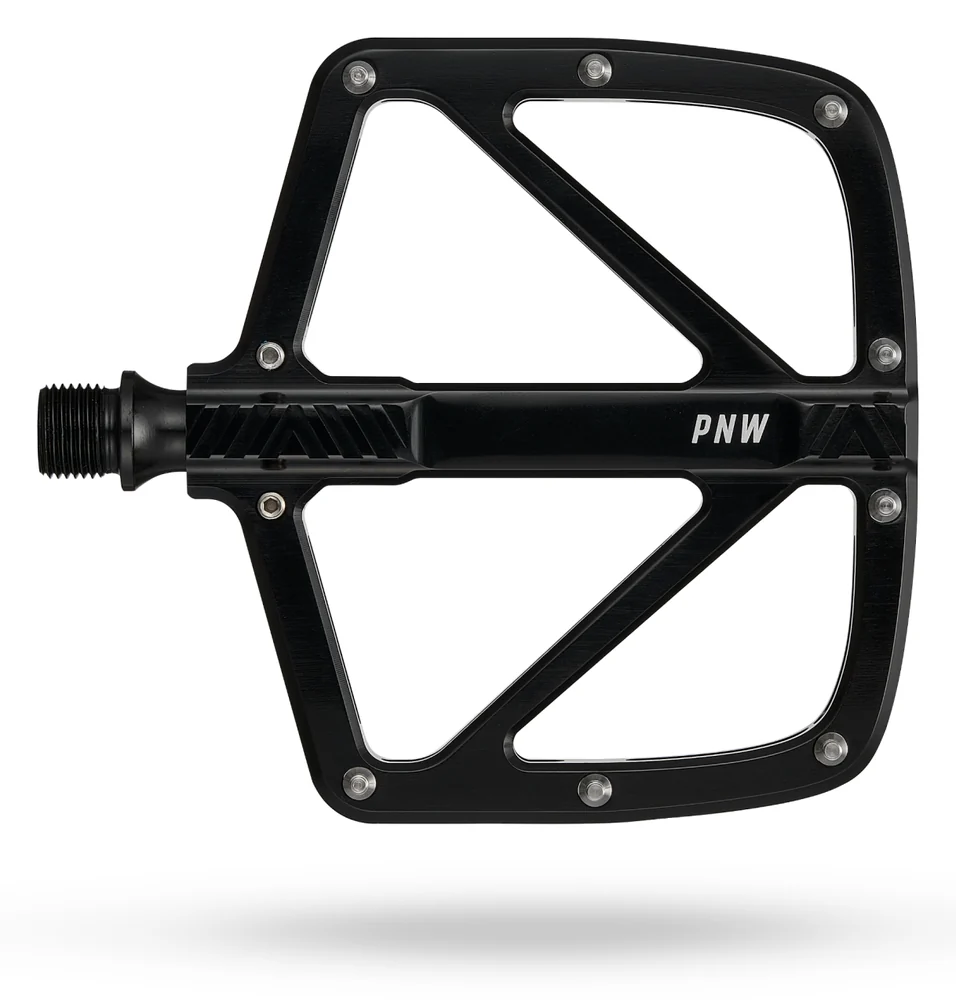
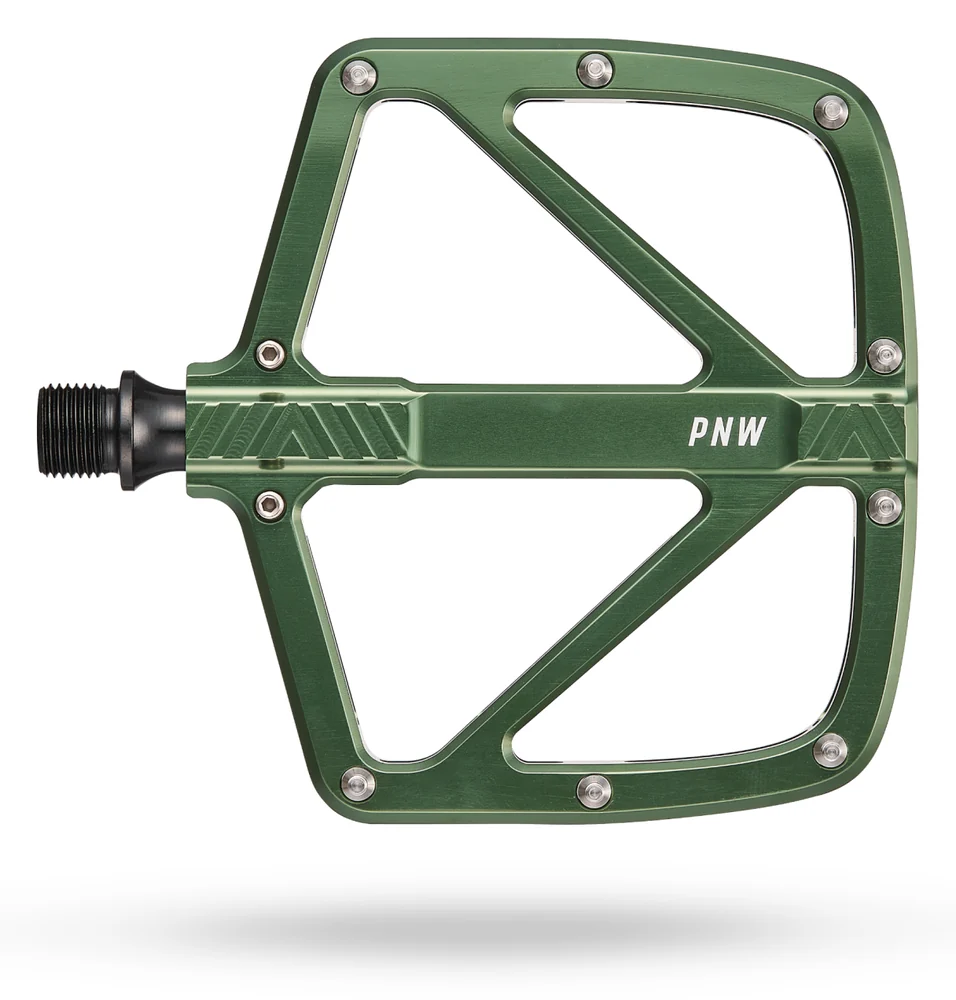
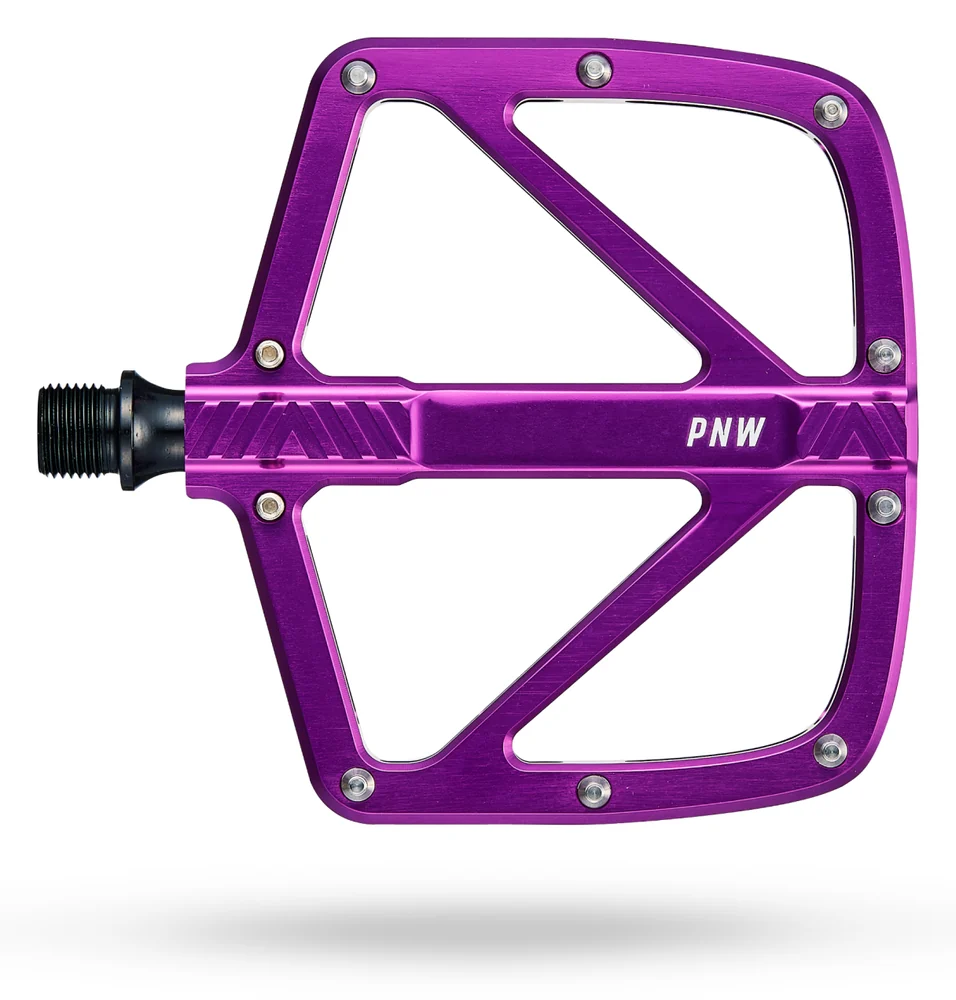
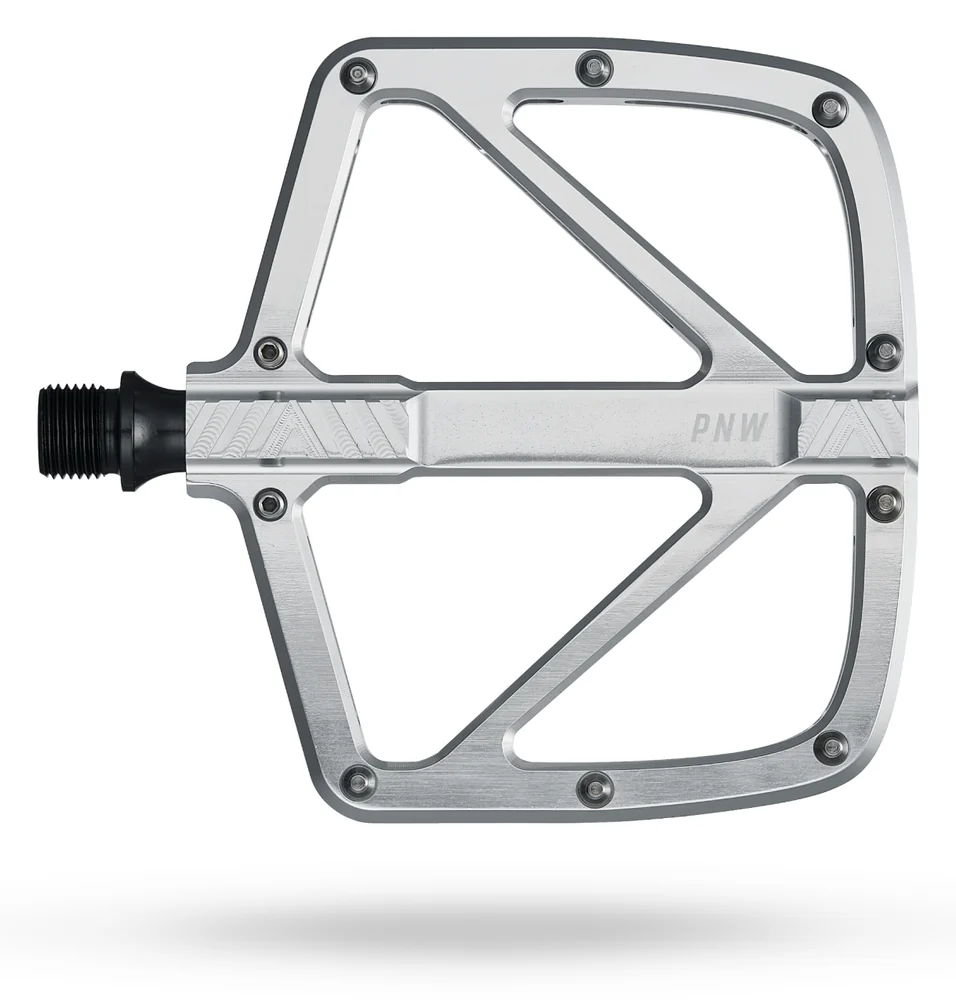
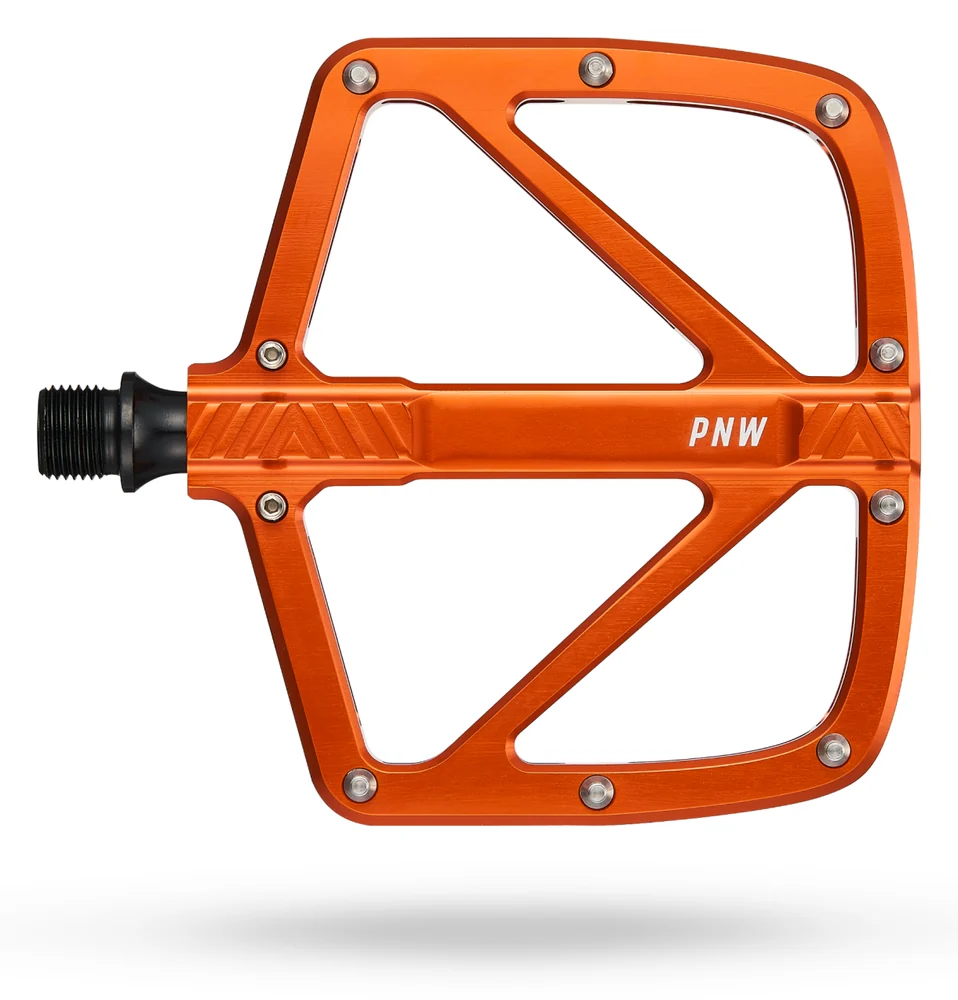
The PNW Loam Gen 3 offers a 115 × 109 mm CNC-machined aluminum platform, replaceable Tectonic traction pins and a serviceable axle system. It’s another shape and material to compare, with replacement parts part of the conversation rather than treating pedals as disposable.
Already riding Loam Gen 2 pedals? Read PNW’s stop-use recall and replacement guidance.
Different platforms. Different feel.
Not everyone wants the same platform shape or amount of bite. These two offer different starting points:
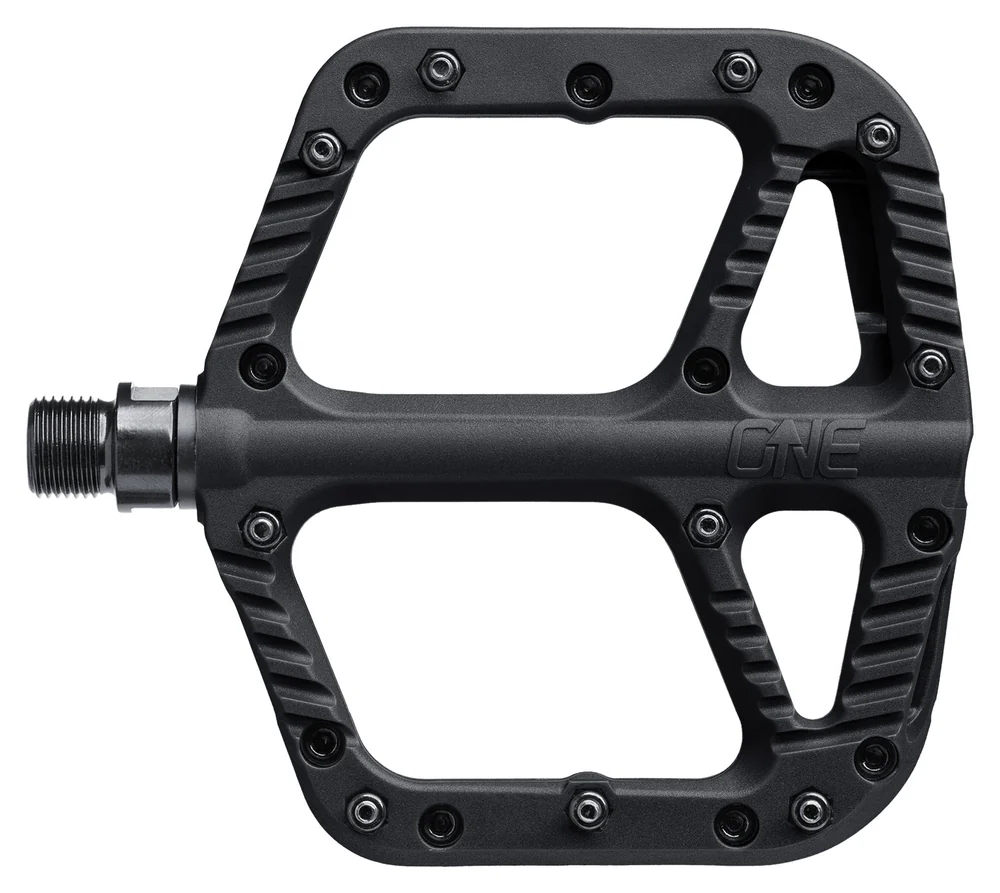
- OneUp Composite: A broad 115 × 105 mm nylon-composite platform, a subtly convex shape and ten replaceable pins per side.
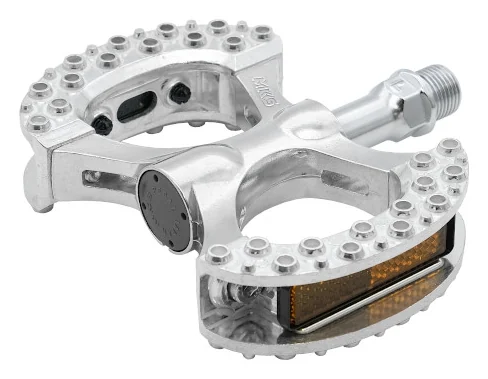
- MKS Lambda: A long front-to-back alloy platform with dimpled step blocks rather than sharp traction pins, offering another approach for everyday shoes and riding.
Power Grips. Foot retention without cleats.
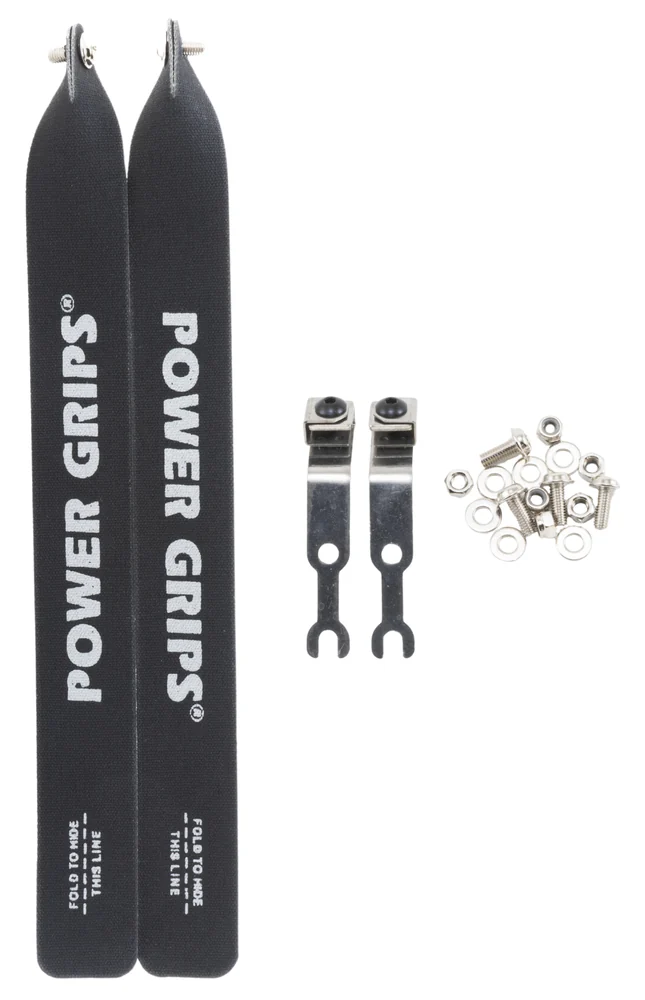
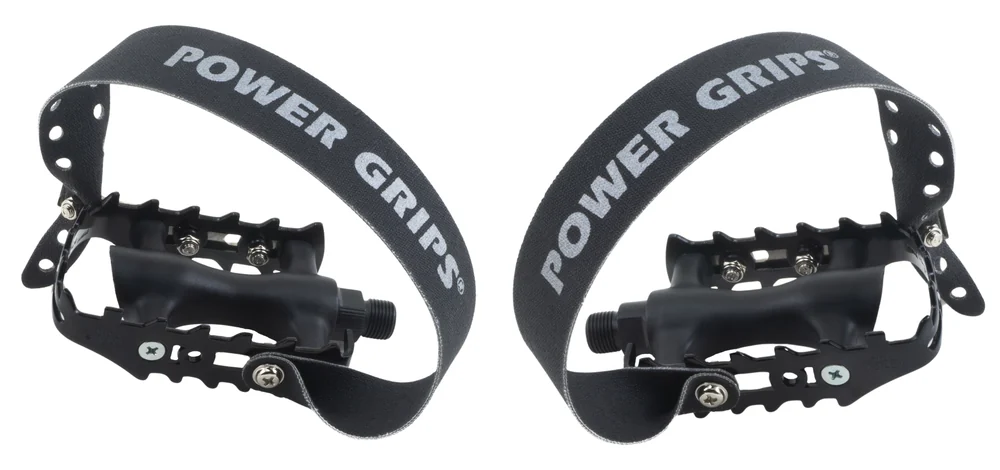
Power Grips use a diagonal strap to hold your shoe against the pedal without special cycling shoes or cleats, with foot rotation changing the strap tension. They offer a different way to add a connection between shoe and pedal.
The Standard Strap Set fits most metal-cage pedals designed for conventional toe clips and straps. We can compare a suitable strap setup with a complete pedal-and-strap option.
Flat on one side. SPD on the other.
The Shimano PD-EH500 pairs an everyday-shoe platform with an SPD binding on the opposite face, with adjustable entry and release tension. It’s useful when you want ordinary shoes for some rides and compatible SPD cycling shoes for others.
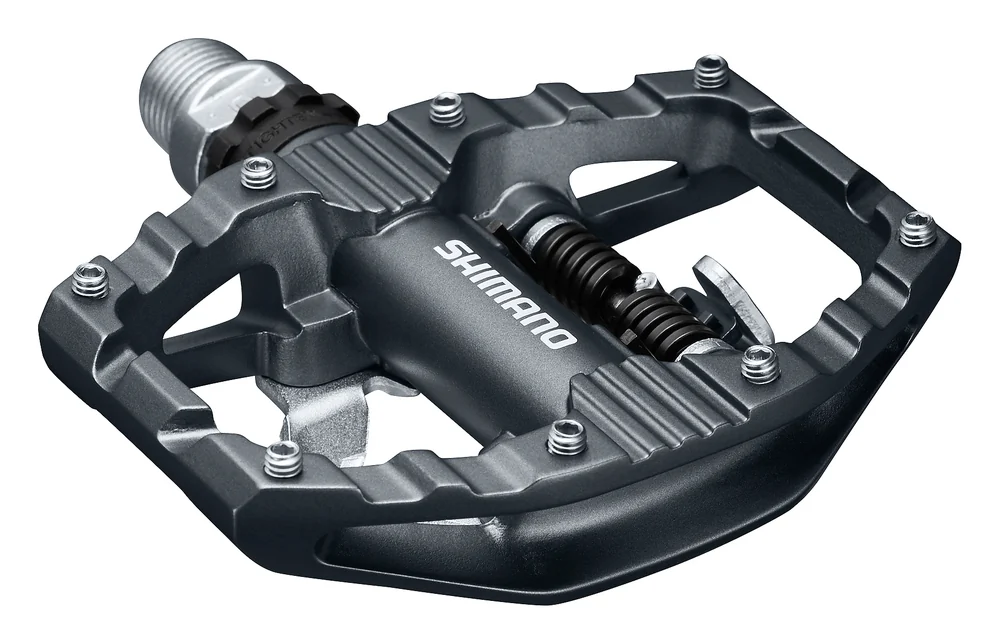
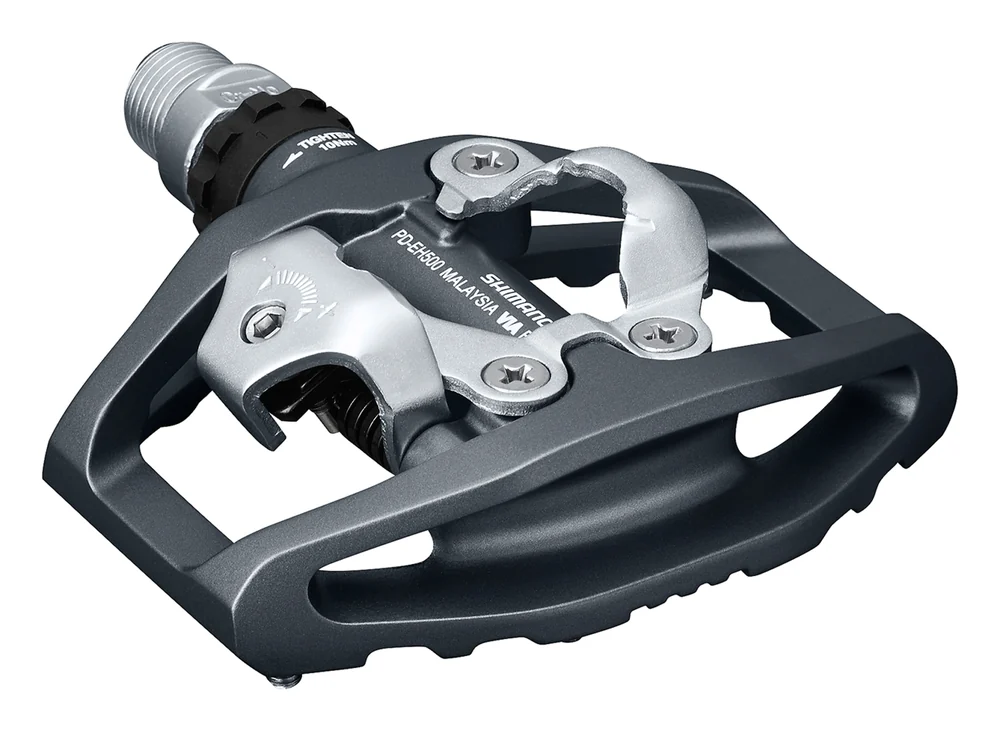
SPD uses compatible cleats attached to cycling shoes to connect with the pedal (REI’s pedal guide). Choosing flats, straps or SPD is about how you like to ride, not a level you’re supposed to graduate to.
We’ll help match the pedals, shoes and setup, and show you how the connection works. With straps or SPD, take time to practice getting your feet in and out somewhere safe before heading into traffic or onto a trail.
In our online store: Browse Pedals across flat-platform and dual-sided SPD options.
Bring your bike. Let’s make it feel better.
Tell us what you like about your bike, what feels off, and where you want to ride. We’ll help you sort out what’s worth adjusting, what might benefit from a different part, and what can stay just as it is.
You don’t need to arrive with a diagnosis or a parts list. Bring the bike you ride, and let’s work from there.
Planning a loaded trip? Our Bikepacking guide has more on handlebars, bags and putting a practical setup together. You can also visit the shop and talk it through with us.